Top 10 Advanced Joint Implants Transforming Orthopedic Surgery?
The evolution of advanced joint implants is reshaping orthopedic surgery. In recent years, these innovations have led to significant improvements in patient outcomes. According to a report from Grand View Research, the global orthopedic implant market is expected to exceed $70 billion by 2025. This growth reflects the increasing demand for effective treatments for joint disorders.
Advanced joint implants, such as minimally invasive devices, are enhancing recovery times and reducing complications. A study published in The Journal of Bone and Joint Surgery highlights that patients using state-of-the-art implants experience 30% faster rehabilitation. However, the rapid advancement of these technologies also raises questions about long-term effectiveness and potential complications. Surgeons must remain vigilant regarding implant selection and patient-specific factors.
Despite the promising developments, challenges persist. Some implants may not integrate well with the body or could lead to unforeseen issues post-surgery. As the orthopedic field embraces these advances, ongoing research and adjustments are necessary. The future of surgery relies on balancing innovation with thorough evaluations and patient safety, ensuring that advanced joint implants deliver their intended benefits.
Overview of Advanced Joint Implants in Orthopedic Surgery
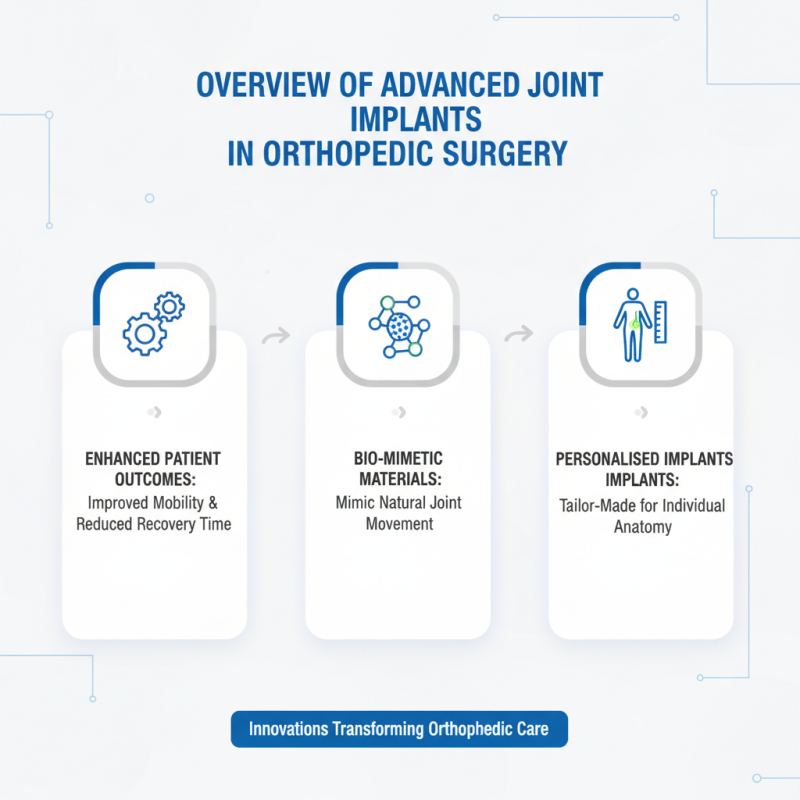
In recent years, advancements in joint implants have significantly transformed orthopedic surgery. These innovations enhance patient outcomes by improving mobility and reducing recovery time. Surgeons now use materials that mimic natural joint movements. New technologies allow for tailor-made implants suited to individual anatomy, ensuring a better fit.
Some implants incorporate smart technology, enabling real-time monitoring of joint performance. This data can alert physicians to potential issues before they arise. It's essential to address that these advancements don’t come without concerns. For example, long-term effects of some new materials are still under investigation. Additionally, the learning curve for surgeons using advanced techniques can affect the overall success rates.
Patients should carefully consider their options, discussing them with their healthcare providers. The integration of robotics in joint surgery is promising, yet it requires expertise for effective implementation. As research progresses, ongoing improvements in joint implants will likely evolve. Continuous evaluation of these innovations is vital for safe and effective orthopedic practices.
Key Innovations in Joint Implant Technology
In recent years, joint implant technology has seen remarkable innovations. One significant advancement is the development of new biomaterials that enhance longevity and biocompatibility. Surgeons now utilize materials that better integrate with human tissues. This leads to reduced inflammation and quicker recovery. Such changes are crucial in orthopedic surgery.
Another noteworthy innovation involves 3D printing techniques. Custom implants can be tailored to fit the unique anatomy of each patient. This personalization improves surgical outcomes. However, these advanced methods require rigorous testing and evaluation. Maintaining high safety standards remains a challenge in the field. The learning curve associated with new technologies can also hinder widespread adoption among surgeons.
Robotic-assisted surgery has transformed how implants are positioned and aligned. This technology ensures greater precision during operations. But, it also raises questions about the reliance on machines over human expertise. As advancements continue to emerge, the orthopedic community must balance innovation with the ethical implications of these technologies. The future of joint implants looks promising, but thoughtful consideration is needed as risks remain.
Benefits of Advanced Implants for Patient Outcomes
Recent advancements in joint implants are significantly impacting orthopedic surgery. These technologies are designed to enhance patient outcomes, making recovery faster and more effective. According to a report from the American Academy of Orthopaedic Surgeons, advanced implants can reduce revision surgery rates by up to 30%. This statistic highlights the importance of selecting state-of-the-art devices for joint replacement procedures.
For patients, these improvements mean less pain and quicker rehabilitation. Enhanced materials and designs lead to better compatibility with human tissues. Patients often experience improved range of motion, which is essential for daily activities. Some studies indicate a 50% increase in patient satisfaction due to these advanced implants. These outcomes reflect the evolving landscape of orthopedic care.
Tip: When considering joint replacement options, consult multiple experts to understand the benefits of advanced implant technology. Always inquire about the latest advancements to ensure optimal results.
Despite the advancements, challenges remain. Not all patients respond positively to new implants. Individual factors, such as age and activity level, play a critical role. It’s crucial to have open discussions with surgeons about potential risks and realistic expectations for each type of implant. This dialogue can foster informed decisions that align with personal health goals.
Challenges and Considerations in Implant Design
The design of advanced joint implants for orthopedic surgery poses significant challenges. Engineers must balance materials, durability, and biocompatibility. A recent report indicated that nearly 40% of joint replacements face complications due to design flaws or material issues. This statistic underscores the importance of rigorous testing.
Incorporating patient feedback in the design process is essential. Surveys suggest that 65% of patients experience discomfort due to ill-fitting implants. This leads to revisions and additional surgeries, impacting healthcare costs. The pressure to innovate is high, but overlooking patient-centric design can result in failures.
Material selection remains a critical point of contention. Traditional materials, like stainless steel, have known limitations in longevity. According to a 2022 study, nearly 15% of metal implants experience corrosion over time. On the other hand, newer bioactive ceramics show promise, but their long-term performance is still under scrutiny. Each decision can significantly impact patient outcomes and healthcare effectiveness.
Future Trends in Orthopedic Surgery with Joint Implants
In recent years, the landscape of orthopedic surgery has been dramatically reshaped by advanced joint implants. With an aging global population, the demand for joint replacements is expected to rise significantly. According to industry projections, the global market for orthopedic implants is anticipated to reach $60 billion by 2025. This surge underscores the escalating need for innovative solutions in joint surgery.
Emerging trends focus on materials and design improvements. Biocompatible materials such as titanium and cobalt-chromium alloys are enhancing implant longevity and reducing rejection risks. Additionally, 3D printing technology enables customized implants tailored to an individual’s anatomy. This personalization can potentially reduce recovery times and improve patient outcomes. However, the challenge remains in ensuring that these new technologies are thoroughly tested for long-term efficacy.
Tips: Always consult with healthcare professionals when considering joint implants. Patient feedback is vital for understanding the efficacy of new technologies. Keep abreast of updates through reputable medical journals. Data integrity should guide your decisions. Regular follow-ups after surgery are essential for monitoring implant performance and overall joint health.