Choosing among the 7 best Hydraulic Static Pile Drivers for sale starts with the ground, not the brochure. Soil layers, pile dimensions, and site access shape which machine will work well. A Hydraulic Static Pile Driver presses piles into the ground using hydraulic force, often with less impact noise than conventional hammering. That can matter near occupied buildings. The quietness is useful, but it does not make every site simple.
This guide compares practical features buyers can verify: rated pressing force, pile-clamping range, machine weight, modularity, and support for transport and maintenance. Consider a narrow urban plot, where the machine must pass through a restricted entrance and operate beside existing foundations. A high force rating alone may not solve that job. Fit matters.
Look closely at configuration details. Check whether listed specifications apply to the exact model and pile type, and ask how the unit is assembled on site. Parts availability and technician response can affect downtime. Small details matter.
No single model is best for every project. Even a well-matched machine can face difficult ground or unexpected access limits. I would treat sales claims as a starting point, then confirm operating data with the manufacturer and an experienced piling contractor. The comparisons ahead aim to make that process clearer, while recognizing that some questions only a site assessment can answer.
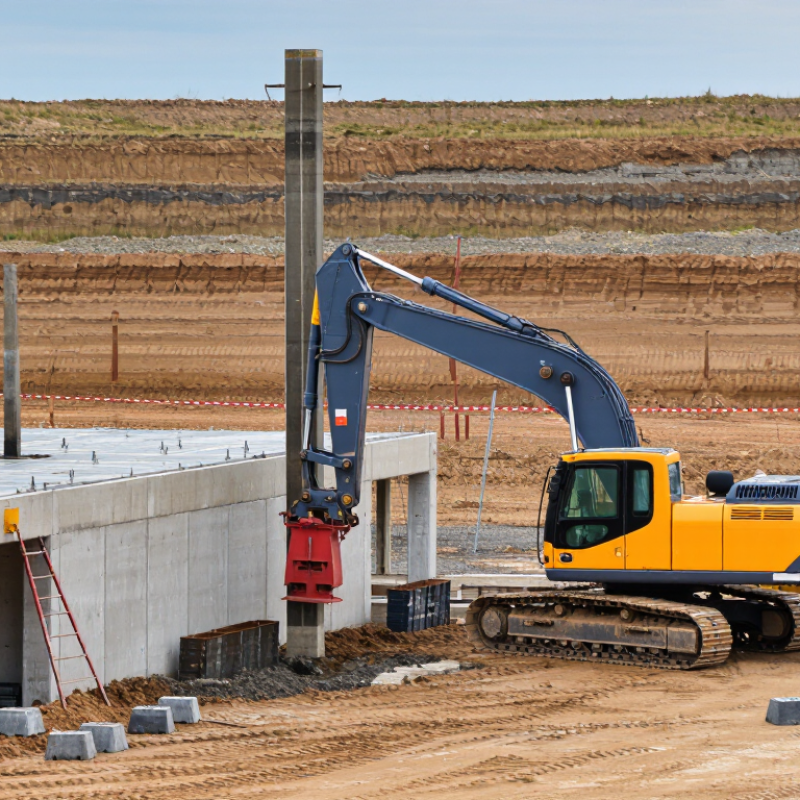
A hydraulic static pile driver installs a pile by pressing it into the ground rather than driving it with repeated blows. Hydraulic cylinders power gripping jaws that hold the pile and push it downward in controlled strokes. The machine needs a reaction force to resist that push. Depending on its design, this force may come from counterweights or piles already installed.
The operator checks the pile’s position and keeps it as vertical as possible. During each stroke, the jaws grip, press, release, and reset. Pressure readings offer useful clues about changing ground resistance, but they do not prove a pile’s final capacity by themselves. Soil records and suitable engineering checks still matter. Small misalignments can grow over successive sections. That detail is easy to underestimate.
Static pressing usually creates less noise and vibration than impact piling, which can help near sensitive buildings. It is not silent, and it may not suit every soil or site layout. The awkward part is that progress can slow sharply in dense layers or around obstructions. A careful site assessment helps match the machine’s pressing force, reaction system, and working space to the project.
Hydraulic static pile drivers differ in how they generate reaction force, grip piles, and move around a site. Some use counterweights, while others connect to previously installed piles for support. Counterweight systems can suit open sites with room for lifting and staging. Pile-supported machines may reduce the need for separate weights, but depend on suitable piles and a planned installation sequence. Quiet work matters. Low-vibration pressing can be useful near occupied buildings, though ground conditions still affect performance.
Clamping range is another key distinction. Check that the jaws match the pile’s shape and dimensions, whether square, round, or sheet type. A machine with a high rated pressing force may still be a poor fit if its clamp cannot hold the specified section securely. Fit comes first. Also compare self-moving and modular designs: compact travel can help on tight plots, while detachable sections may simplify transport to remote sites. Review maximum pile length, operating weight, hydraulic requirements, and access width against the actual project plan. A tidy specification sheet can hide awkward setup needs. Before choosing among static pile drivers for sale, confirm support conditions and pile compatibility with the supplier or a qualified engineer.
Compare machine classes by rated hydraulic press-in force. Higher-force classes generally suit larger or more demanding piles; compact classes prioritize access and maneuverability.
The force intervals are illustrative comparison bands, not a universal industry standard or specifications for particular machines. Actual ratings vary by model and setup. Corner-piling and side-piling describe access configurations and can be available across different force classes.
Hydraulic static pile drivers for sale range from compact units for restricted urban plots to modular rigs built for heavier foundation work. Seven useful configurations include compact, crawler-mounted, modular, counterweight, corner-pile, long-pile, and high-capacity systems. Compact machines suit narrow access routes; modular frames can be assembled around existing structures. Corner-pile attachments reach close to walls, while long-pile setups handle deeper installation with fewer splices. High-capacity rigs apply greater pressing force, but need adequate reaction piles and ground support. Fit matters.
Compare rated pressing force, pile dimensions, clamp range, travel speed, and extraction capability—not force alone. The Federal Highway Administration’s 2016 Design and Construction of Driven Pile Foundations (GEC 12) discusses static load verification using ASTM D1143/D1143M. Under a specified maintained-load test plan, loading may reach 200% of the design load. That figure describes a test procedure, not a universal machine rating. Ask for a load chart, installation records, and soil-specific engineering review before purchase. Check access. A powerful rig can still underperform if its frame cannot react safely against the available piles. Note that catalog capacities vary, and site conditions can change practical output.
The entries below are representative equipment configurations, not manufacturer model names. Figures are indicative; actual capacity depends on the machine setup, pile type, ground conditions, and project requirements.
| Configuration | Rated Pressing Force | Typical Pile Types | Typical Pile Range | Indicative Counterweight | Typical Application |
|---|---|---|---|---|---|
| Compact urban unit | 600 kN (about 61 tf) | Precast concrete, small steel sections | Approximately 200–300 mm square piles | About 80–120 t | Restricted-access sites and light foundation work |
| Light-duty general-purpose unit | 800 kN (about 82 tf) | Precast concrete, steel H-piles | Approximately 250–350 mm square piles | About 100–150 t | Small commercial buildings and low-rise projects |
| Medium-capacity site unit | 1,000 kN (about 102 tf) | Precast concrete, selected prestressed piles | Approximately 300–400 mm square piles | About 130–180 t | Housing developments and moderate ground conditions |
| Mid-range high-force unit | 1,200 kN (about 122 tf) | Precast concrete, PHC piles, steel sections | Approximately 300–500 mm square piles | About 160–220 t | Industrial buildings and larger foundation layouts |
| Heavy-duty foundation unit | 1,600 kN (about 163 tf) | Large precast and prestressed concrete piles | Approximately 400–600 mm square piles | About 220–300 t | Heavy structures and dense or stiff soil layers |
| Extra-heavy high-capacity unit | 2,000 kN (about 204 tf) | Large-diameter prestressed concrete and heavy steel piles | Approximately 500–700 mm square piles, subject to tooling | About 280–380 t | Major infrastructure and high-load foundations |
| Maximum-force project unit | 2,400 kN (about 245 tf) | Heavy prestressed concrete piles and compatible steel piles | Approximately 600–800 mm square piles, configuration-dependent | About 350–500 t | Large infrastructure projects requiring high static pressing force |
Note: tf means metric tonne-force. Pile dimensions and counterweight ranges are general planning references, not guaranteed limits. Confirm machine configuration, ground pressure, transport requirements, and pile compatibility with the project engineer and equipment supplier.
Choosing among the 7 best hydraulic static pile drivers for sale starts with the ground, not the brochure. Identify the soil layers, groundwater level, and any dense strata from a reliable site investigation. Then match the machine’s pressing force and clamp range to the pile material, width, length, and required installation depth. A driver suited to short steel sheet piles may not handle long concrete piles safely or efficiently.
Check how the machine will reach the work area. Measure gate widths, overhead clearance, turning space, and the bearing capacity of the working platform. Confirm whether the unit needs a crane, excavator, or reaction piles for support. On tight urban sites, static pressing can reduce noise and vibration compared with impact driving, but nearby structures and utilities still need monitoring. Small details matter.
Ask for the machine’s load charts, operating limits, and maintenance records, and compare them with the project design. Have a qualified engineer verify the required installation force and ground conditions; do not rely on a sales estimate alone. It is easy to overlook access or setup time when comparing prices. That happens. A careful site walk, with actual measurements and a clear pile schedule, can reveal whether a compact unit or a higher-capacity system is the better fit.
A machine may look capable in a brochure, but the pile schedule tells a more useful story. Check its rated pressing force against the pile types, lengths, and soil conditions on your projects. Confirm the clamp can grip each pile securely without damaging its surface. Ask for operating limits, not just peak figures. Peak capacity alone can mislead.
Check the counterweight system, machine dimensions, and ground pressure before planning delivery. A compact unit still needs a stable working platform. Walk the site, note soft patches, overhead restrictions, and access widths. Small details matter. Hydraulic hoses, cylinders, and filters should be easy to inspect and replace. Ask how routine servicing is done, and whether common spare parts are readily available. A service plan that sounds vague deserves a closer look.
Request a demonstration with piles similar to yours, if possible. Watch the press-in speed, alignment, and noise levels, then inspect the machine for leaks after use. Ask for maintenance records and operator training details. Check transport requirements, setup time, and the support included after purchase. Also consider future work; a machine suited to one narrow pile range may limit later jobs. I would not choose on price alone. Still, it is easy to overvalue features that your crew may rarely use.
Copyright © 2021 United Orthopedic Corporation All Rights Reserved.
Necessary cookies are absolutely essential for the website to function properly. This category only includes cookies that ensures basic functionalities and security features of the website. These cookies do not store any personal information.
Any cookies that may not be particularly necessary for the website to function and is used specifically to collect user personal data via analytics, ads, other embedded contents are termed as non-necessary cookies. It is mandatory to procure user consent prior to running these cookies on your website.