What Is Chaga Powder and What Is It Used For?

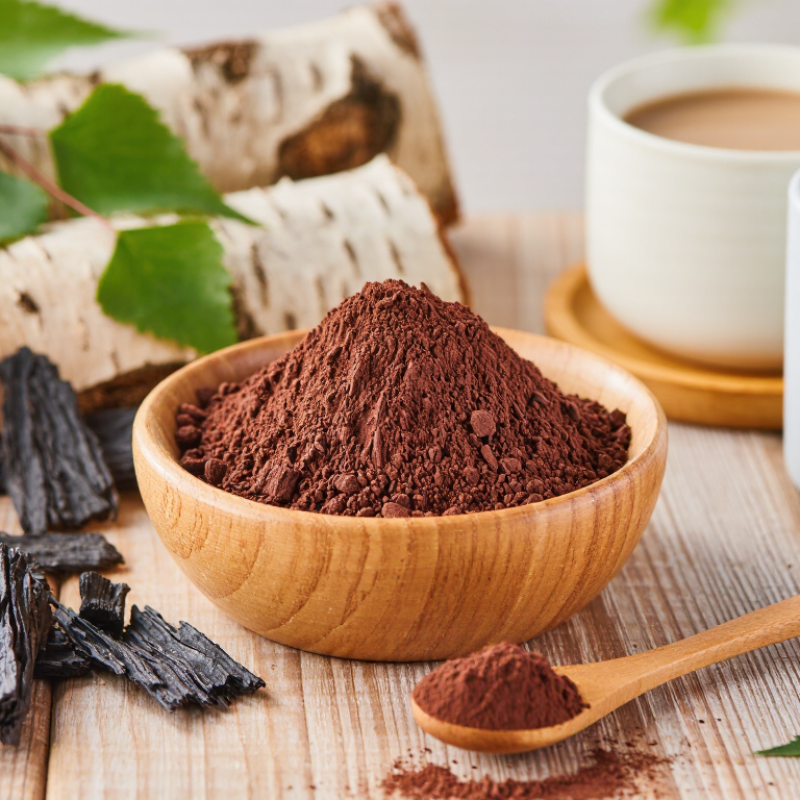
Chaga Powder is made from the dark, hardened growth of the fungus Inonotus obliquus, commonly found on birch trees in cold regions. It is dried and milled into a fine brown powder. The color is deep. People often stir it into hot water, coffee, or smoothies, though its earthy, slightly bitter taste can be noticeable. Some products are sold as extracts, which may differ in strength and preparation from plain ground mushroom material.

Chaga has a history of use in traditional practices, and today it is marketed for general wellness. Researchers have studied compounds with antioxidant activity, but evidence in people remains limited. That distinction matters. A laboratory finding does not prove that Chaga Powder prevents or treats illness. Product quality can also vary; species identification, sourcing, processing, and contaminant testing are worth checking on the label or with the manufacturer. “Natural” is not a safety guarantee. Chaga may be unsuitable for some people, including those with certain health conditions or who take medicines that affect blood clotting or blood sugar. Ask a qualified healthcare professional before using it regularly, especially during pregnancy or while managing a medical condition. This guide looks at what Chaga Powder is, how people commonly use it, what research can and cannot tell us, and practical points to consider before buying it. The details are not always neat, and that uncertainty deserves room.
What Is Chaga Powder and What Is It Used For?

Chaga Identified: Inonotus obliquus and Its Birch-Tree Habitat

Chaga is the common name for Inonotus obliquus, a fungus that grows mainly on living birch trees in cold regions. It forms a hard, dark growth on the trunk, often rough and cracked like burnt bark. Beneath that surface, the tissue is rusty orange. Look closely. That contrast can help distinguish chaga from ordinary knots, but appearance alone cannot confirm a specimen. The fungus draws nutrients from its host and may remain on a tree for many years. Its relationship with birch is specific, though not every dark growth on birch is chaga.

Chaga powder is made from processed fungal material, usually dried and ground into a coarse or fine brown powder. It is commonly steeped in hot water as a tea or added to other drinks. The powder’s color and texture can vary with the material and its preparation. That variability matters: a label or photograph cannot prove where a batch grew or what it contains. Chaga is not a substitute for medical care, and evidence for many claimed health effects remains limited. The forest story is compelling, but the science is still incomplete.

From Fungal Growth to Powder: Harvesting, Drying, and Processing

Chaga begins as a slow-growing fungal conk on living birch, not as a neat, uniform mushroom. Harvesters identify the hard, dark growth carefully and leave the pale inner wood and surrounding bark as clean as possible. The outer crust can look like burnt timber. Small details matter. After collection, the conk is broken into chips; removing bark, soil, and insects before milling helps reduce unwanted material in the finished powder. Ma and colleagues’ review of Inonotus obliquus research notes that its reported constituents vary with origin and preparation, so one sample’s composition should not be assumed for every batch.

Drying is a quality-control step, not just a way to make the fungus brittle. Chips should dry evenly, then be milled and screened for a consistent texture. Processors should record temperature, time, and moisture results; a dry surface alone does not prove a stable product. FDA regulations use water activity above 0.85 in defining certain low-acid foods, but that figure is a classification threshold, not a recommended chaga-powder target. FDA’s 21 CFR 113.3(c) makes that distinction important. Not quite. Testing still matters. A finished lot should also be checked for identity and contaminants, because grinding can make visual inspection harder. Sources: Ma et al., “Chemical Constituents and Pharmacological Activities of Inonotus obliquus,” Chinese Journal of Natural Medicines, 2013; U.S. FDA, 21 CFR 113.3(c).

Powder Composition: Beta-Glucans, Polyphenols, and Lab-Test Variability

Chaga powder is dried, milled fungal material, but its label rarely tells the whole chemical story. Beta-glucans are a subset of polysaccharides; total polysaccharide figures cannot be treated as beta-glucan figures. AOAC Official Method 995.16 illustrates why method details matter: it uses enzymatic analysis for beta-glucan in cereal grains, not as a universal chaga-powder standard. Mushroom-specific assays also distinguish beta-glucans from alpha-glucans, so results from different methods may not be directly comparable.

Small details matter.

Polyphenols are another variable group. Peer-reviewed analyses of Inonotus obliquus report phenolic compounds, but measured amounts depend on the sample and extraction solvent; an alcohol extract and a hot-water extract do not represent the same powder. Origin, the fungal tissue tested, drying temperature, and particle size can shift results, too. A lab report should name the test method, sample basis, and units, such as milligrams per gram of dry material. “Total polysaccharides” alone is not enough.

Treat a certificate of analysis as a snapshot, not a guarantee for every batch. Check whether beta-glucan and alpha-glucan are reported separately, and whether polyphenols are expressed against a stated reference standard. These figures describe composition, not proven health effects.

That distinction is easy to miss.

A neat percentage on a label can look more certain than the underlying lab work.

Common Uses and Evidence: What Human Research Can—and Cannot—Show

What Is Chaga Powder and What Is It Used For?

Chaga powder is made from the dark, woody growth of Inonotus obliquus, a fungus found on birch trees. People commonly stir it into hot water, tea, or smoothies. Its bitter, earthy taste can resemble strong black tea. Some use it for general wellness or antioxidant support, but these uses are not proof of health benefits.

Human research is the key limitation. A 2021 review in Chinese Medicine describes promising findings from laboratory and animal studies, including research on antioxidant and immune-related effects. Those results cannot show that chaga prevents or treats illness in people. Human trials are too limited to establish an effective dose or reliable benefits. That gap matters.

Safety deserves attention, too. Published case reports have linked prolonged, high chaga intake with oxalate-related kidney injury; case reports cannot tell us how often this occurs. Chaga may also affect blood sugar or blood clotting, though evidence is limited. Anyone with kidney disease, or taking diabetes or blood-thinning medication, should consult a healthcare professional before use. Powder quality can vary, so check for independent testing and clear ingredient information. Not a cure.

What Is Chaga Powder and What Is It Used For? — Common Uses and Evidence: What Human Research Can—and Cannot—Show
Topic What Is Known Evidence in Humans Practical Context
What chaga powder is Chaga is a fungus, Inonotus obliquus, that commonly grows on birch trees in cold regions. Powder is made from processed, dried fungal material, often sold as a supplement or used to prepare a drink. This describes the ingredient, not evidence that it treats a health condition. Products can differ in preparation, composition, and quality. “Powder” does not by itself indicate a standardized amount of active compounds.
Traditional and common uses Chaga has a history of traditional use and is commonly prepared as a tea or added to drinks. It is also marketed for general wellness and for antioxidant or immune-related effects. Traditional use and marketing claims do not establish clinical benefit. A customary use should not be interpreted as proof that chaga prevents or treats disease.
Antioxidant effects Laboratory studies have identified compounds in chaga with antioxidant activity in experimental settings. Laboratory findings do not show that consuming chaga powder improves health outcomes in people. Reliable clinical evidence is lacking. Effects observed in cells or test tubes may not occur after digestion or at amounts people consume.
Immune effects Chaga is sometimes promoted for immune support. Proposed effects are based largely on laboratory and animal research. There is not enough robust human research to conclude that chaga reliably strengthens or regulates the immune system. People with immune-related conditions or taking medicines that affect immunity should seek medical advice before using it.
Blood sugar and cholesterol Changes in blood sugar or cholesterol have been investigated mainly in preclinical research. These findings do not establish that chaga safely or effectively manages blood sugar or cholesterol in humans. Do not replace prescribed treatment or monitoring with chaga. Potential interactions with glucose-lowering medicines are a concern.
Cancer-related claims Some laboratory and animal studies have examined chaga extracts and cancer-related processes. These studies are not proof of prevention or treatment in people. Chaga is not an established cancer therapy. Anyone receiving cancer care should discuss supplements with their oncology team before use.
Human research overall Evidence from test-tube or animal studies can help generate research questions, but it cannot establish a benefit, effective dose, or long-term safety for people. High-quality human clinical evidence for common health claims is limited or absent. No well-established therapeutic dose for chaga powder can be recommended from current human evidence.
Safety and kidney concerns Chaga may contain substantial oxalates. Case reports have linked heavy or prolonged chaga use with oxalate-related kidney injury. Case reports cannot determine how often harm occurs, but they are a relevant safety signal. People with kidney disease, a history of kidney stones, or other kidney-risk factors should avoid self-treatment and consult a clinician.
Possible interactions Potential interactions with medicines that affect blood clotting or blood sugar are a concern, although the extent of these interactions is not well established. Interaction data in humans are limited. Ask a healthcare professional before use, especially if taking anticoagulant, antiplatelet, or glucose-lowering medicines, or before surgery.
Pregnancy and breastfeeding Safety information for chaga supplements during pregnancy or breastfeeding is insufficient. There is not enough human evidence to establish safety. Avoid medicinal or supplement use unless advised by a qualified healthcare professional.

Safety and Label Claims: Chaga Under the FDA’s 1994 DSHEA Framework

What Is Chaga Powder and What Is It Used For?

Chaga powder is made from the hardened growth of Inonotus obliquus, a fungus found on birch trees. People add it to hot water or smoothies, often seeking general wellness support. Human evidence remains limited. That matters when reading bold label promises.

Under the 1994 DSHEA framework, the FDA does not approve most dietary supplements for safety or effectiveness before sale. Companies must ensure products and claims meet applicable requirements. A structure/function claim, such as “supports immune health,” must be substantiated, carry the required FDA disclaimer, and be reported to FDA within 30 days of first marketing. The disclaimer does not make an unsupported claim acceptable. The line can feel blurry. The Council for Responsible Nutrition’s 2024 Consumer Survey reported that 75% of U.S. adults use dietary supplements, making clear labeling especially important.

Check the Supplement Facts panel, serving size, full ingredient list, and any warnings. “Natural” does not establish safety or potency. Case reports have linked heavy, prolonged chaga use with oxalate-related kidney injury; people with kidney problems should seek medical advice before use. Chaga may also affect medicines, so discuss it with a clinician or pharmacist, especially when taking regular prescriptions. A label is useful, but it is not proof of benefit.

Scroll to Top