2026 How to Effectively Manage Post Surgery Rehabilitation Process?
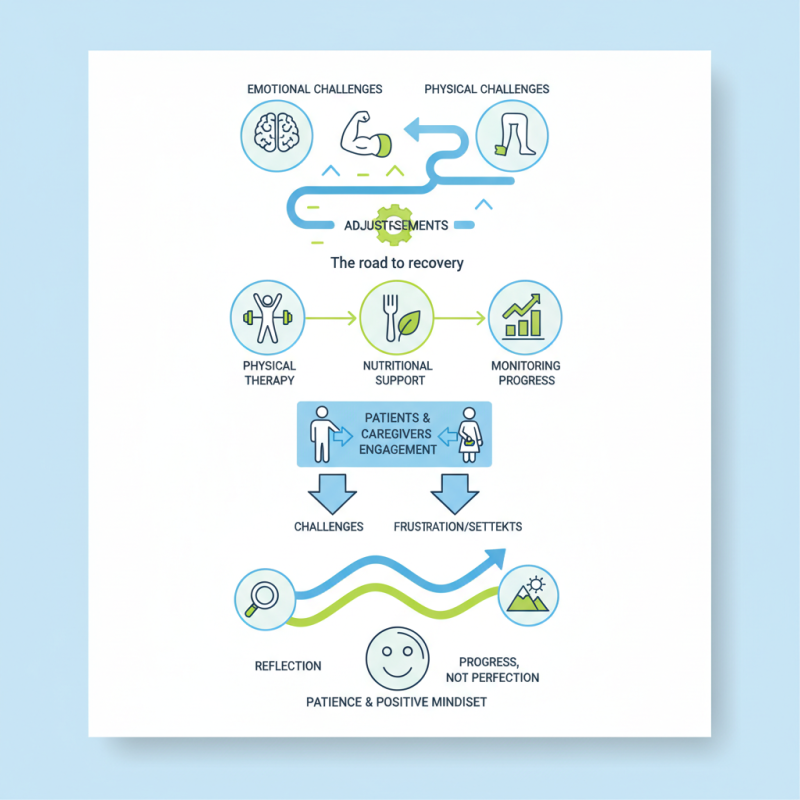
Effective management of post surgery rehabilitation is crucial for patient recovery. After surgery, individuals often face physical and emotional challenges. The road to recovery can be unpredictable. Each person's journey is unique, and the rehabilitation process may require adjustments based on their needs.
A structured rehabilitation plan should incorporate various therapies. This may include physical therapy to regain strength and mobility. Nutritional support is also important for healing. Monitoring progress is essential but often overlooked. Patients and caregivers need to remain engaged throughout this phase. Challenges may arise, leading to frustration or setbacks.
Reflection on these challenges is key. Many individuals do not realize that rehabilitation is not linear. There will be ups and downs during recovery. Recognizing this can help set realistic expectations. It is crucial to approach post surgery rehabilitation with patience and a positive mindset. The focus should always remain on progress, not perfection.
Understanding the Importance of Post-Surgery Rehabilitation
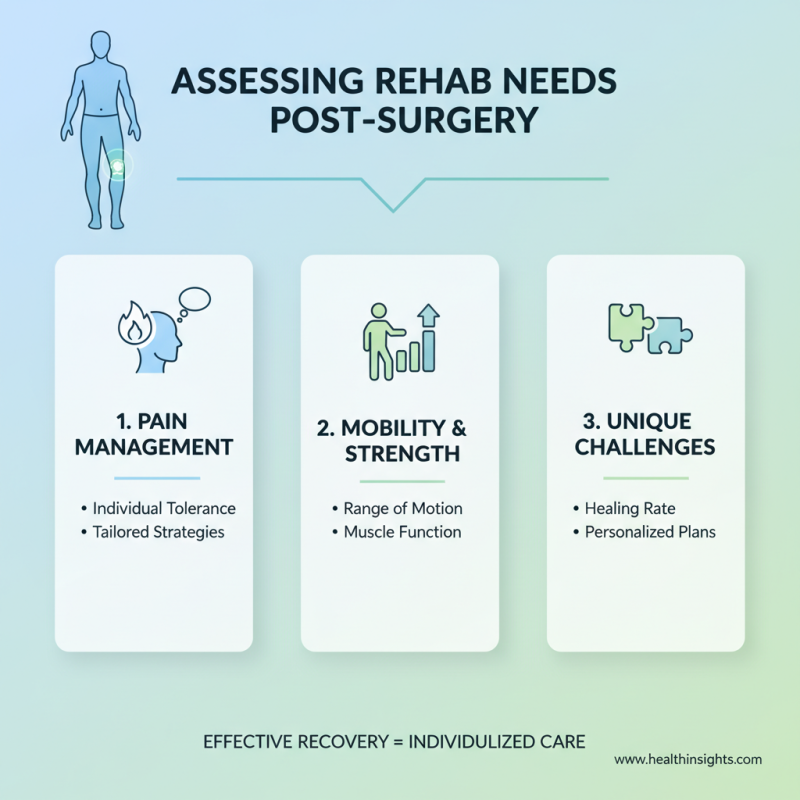
Post-surgery rehabilitation is crucial for recovery. Many people underestimate its importance. Successful rehabilitation can lead to a quicker return to daily activities. Without a structured plan, patients might face setbacks. Pain management, mobility exercises, and nutrition are key factors.
Tips: Focus on your pain levels daily. Speak with your healthcare provider if pain feels excessive. Incorporate gentle movements gradually. Simple tasks like walking or stretching can make a difference.
Nutrition plays a vital role too. Eating balanced meals helps in healing. Proper nutrients aid tissue repair. Patients often neglect hydration. Drinking enough water supports overall recovery. Reflect on your habits. Are you eating well? Are you moving enough? Adjust your routine based on your needs.
Designing a Comprehensive Rehabilitation Plan
Post-surgery rehabilitation is crucial for recovery. A well-designed rehabilitation plan can significantly impact the healing process. This plan should be personalized to suit the patient’s needs, focusing on their specific surgery and overall health.
Effective communication with healthcare providers is vital. Discuss goals and expectations with your therapist. Create a timeline for recovery. This timeline can help with motivation, but remember that timelines may need adjustments. Factors like pain levels and mobility can affect progress.
Tips: Start slowly with gentle exercises to avoid injury. Listen to your body; push too hard, and you might regress. Recovery can be messy and unpredictable. Some days will feel like progress, others may not. Keep a journal to track your feelings and improvements. This practice helps with reflection and gives insight into your journey. Embrace the ups and downs; they are part of healing.
2026 How to Effectively Manage Post Surgery Rehabilitation Process? - Designing a Comprehensive Rehabilitation Plan
| Rehabilitation Phase |
Duration (Weeks) |
Key Focus Areas |
Activities/Interventions |
Goals |
| Initial Recovery |
0-2 |
Wound healing, pain management |
Rest, medication, gentle movement |
Reduce pain and prevent complications |
| Strengthening |
3-6 |
Muscle strength, joint mobility |
Physical therapy, strength exercises |
Improved mobility and strength |
| Functional Training |
7-12 |
Daily activities, coordination |
Activity-specific training, balance exercises |
Return to daily life and activities |
| Maintenance |
13+ |
Long-term strength, lifestyle changes |
Regular exercise, lifestyle management |
Sustain health and prevent recurrence |
Incorporating Physical Therapy and Exercise into Recovery
Post-surgery rehabilitation is crucial for recovery. Incorporating physical therapy and exercise can significantly improve outcomes. According to a report from the American Physical Therapy Association, patients who engage in structured rehabilitation tend to recover faster and regain function more effectively.
Physical therapy helps in reducing pain and inflammation. Exercise enhances mobility and strength. Regular sessions with a therapist ensure a tailored approach to meet individual needs. It's important to communicate openly about your pain levels and progress. Some may find adherence challenging, especially when faced with discomfort. Remember, setbacks can happen. Reflect on your routine and adjust as needed.
Tips: Start with gentle movements. Establish a consistent schedule. Progress at your own pace. Celebrate small victories, like increased flexibility or strength. Engage with your therapist about any concerns or frustrations during the process. Maintaining a positive mindset can be key, but it won’t always be easy. Be prepared for both good days and bad days.
Monitoring Progress and Adjusting Rehabilitation Strategies
Rehabilitation after surgery can be challenging. Monitoring progress is crucial. Pay attention to how the body responds to exercises. Daily logs can help track improvements. It’s important to celebrate small victories. However, don’t ignore setbacks. They provide insight into areas needing attention.
Adjusting rehabilitation strategies is essential. If an exercise causes pain, modify it. Consult with a professional to design a new plan. Each patient's journey is unique. Progress may not always be linear. Some days will feel better than others. Keep an open mind and adjust as needed.
Tips for successful rehabilitation: Set realistic goals. Break down tasks into manageable steps. Stay patient; healing takes time. Regularly assess your progress. Seek feedback from therapists. They can provide valuable guidance and support.