China Top Maternity Pads Manufacturers How to Choose?
Choosing reliable Maternity Pads manufacturers in China requires more than comparing prices. Postpartum recovery is personal, physical, and sometimes unpredictable. A suitable pad should manage heavy flow, reduce friction, and feel secure during movement.
Dr. Alyssa Dweck, an obstetrician-gynecologist, has said, “Comfort and absorbency should guide postpartum product choices, not packaging claims.” This principle matters when reviewing Chinese suppliers. A soft-looking surface can still feel rough after several hours. A thick core may absorb well but restrict movement. These details become obvious during real use, especially overnight or after childbirth.
Experienced buyers should examine the material structure, absorbency data, leakage protection, adhesive quality, and breathable design. Ask manufacturers for samples from different production batches. Check whether the factory performs visual inspection, weight testing, and absorbency testing. Request clear records for raw materials and quality control. Certifications should be relevant, current, and independently verifiable.
Do not choose from photos alone. Visit the factory when possible, or arrange a professional audit. Discuss minimum order quantities, packaging customization, lead times, and complaint handling. A dependable supplier answers specific questions without hiding behind vague promises.
There is no perfect product.
Even careful evaluations can miss comfort issues during actual postpartum recovery. That is why trial feedback from nurses, mothers, and distributors deserves serious attention. The best Maternity Pads partner combines stable manufacturing, transparent communication, and a willingness to improve. Cost matters, but reliability protects your brand and the people who depend on it.
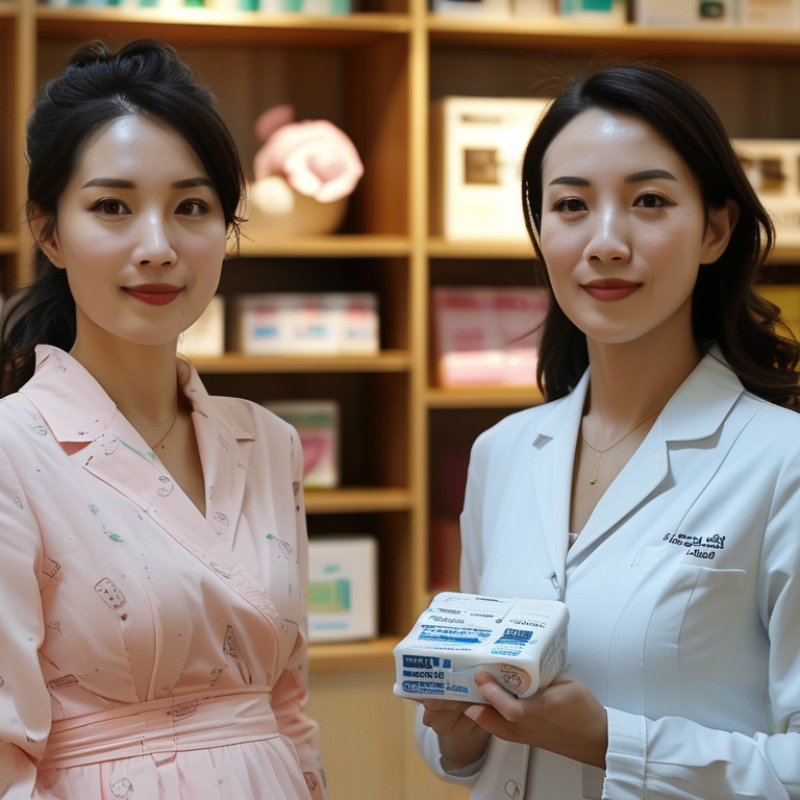
What Defines a Reliable Maternity Pad Manufacturer in China?
A reliable maternity pad manufacturer in China should prove more than production capacity. Grand View Research estimated the global feminine hygiene products market at about USD 41.6 billion in 2023. This growth increases supplier choices, but it also makes verification harder. Buyers should request factory audit records, production licenses, batch traceability, and recent third-party test reports. A polished showroom is not enough.
Material control matters. The manufacturer should identify the source and composition of the topsheet, absorbent core, backsheet, adhesive, and packaging film. Test data should cover absorbency, rewet, leakage resistance, skin-contact safety, and microbial control. ASTM and ISO methods can support comparisons, but the test method must match the product’s actual use. Ask for sample results from regular production, not only laboratory prototypes. Small details matter, such as sealed packaging, soft edges, and stable adhesive performance in humid storage.
Experience also appears in complaint handling. A dependable supplier records defect rates, investigates root causes, and explains corrective actions. The ISO Survey 2023 reports that more than 1.5 million ISO 9001 certificates were valid worldwide, showing that certification is common, but not automatically decisive. A certificate can age. Factory visits, random inspections, and independent retesting remain necessary. No audit is perfect. I would still question unusually high absorbency claims, unclear raw-material origins, and samples that feel better than the mass-produced batch. A reliable manufacturer welcomes those questions.
How to Evaluate Manufacturing Quality and Safety Standards?
China Top Maternity Pads Manufacturers: How to Choose?
How to Evaluate Manufacturing Quality and Safety Standards?
Choosing among China’s top maternity pad manufacturers requires more than comparing prices. I learned this during a factory review: a clean showroom looked convincing, but production records revealed uneven absorbency results. That mistake changed my checklist. Ask for batch data, not polished samples. Inspect pulp, nonwoven fabric, adhesive, and packaging controls. The supplier should identify each material by lot number and retain samples for investigation.
Manufacturing quality should be measured under realistic use. Request test reports for absorption capacity, rewet, leakage, dimensions, peel strength, and odor. Test several lots, including products made after shift changes. A single perfect sample proves little. Check whether laboratories are competent and reports show methods, dates, and sample quantities. ISO 9001 can support process control, but certification does not replace factory verification. Watch the line. Look for covered materials, clean contact surfaces, calibrated scales, and documented foreign-object controls.
Safety needs deeper evidence. Ask how the manufacturer screens dyes, fragrances, preservatives, and residual processing chemicals. For skin-contact materials, request suitable chemical and biological safety evaluations from recognized testing laboratories. Review worker hygiene training, pest control, complaint handling, and recall procedures. Traceability matters when a mother reports irritation or leakage. I would also conduct an independent pre-shipment inspection. It costs more, yet it can expose weak sealing or damaged cartons. No checklist is perfect. Revisit it after every complaint and process change.
What Certifications and Customization Options Should You Check?
Choosing a China-based maternity pad manufacturer requires more than comparing prices. Check ISO 9001 for quality management and ISO 14001 for environmental processes. For skin-contact materials, request OEKO-TEX Standard 100 or equivalent test evidence. The factory should also provide reports for absorbency, leakage, microbiological safety, and chemical residues. Confirm compliance with applicable Chinese GB requirements and your destination-market rules. A certificate alone is not enough.
The global feminine hygiene products market reached about USD 26.19 billion in 2023, according to Grand View Research. Its report forecasts steady growth through 2030. This growth increases customization demand. Ask whether the manufacturer can adjust pad length, width, wing shape, absorbent-core thickness, surface softness, and adhesive strength. Request production samples before approving a large order. Packaging can include individual wrapping, recyclable materials, bilingual labels, and batch traceability. Be careful with “medical-grade” claims. They may require separate evidence or regulatory review.
Tips: Build a certification checklist before contacting factories. Ask for document numbers, testing dates, issuing laboratories, and product-model details. Compare samples after washing, pressing, and overnight use. A factory may look professional online but still lack stable raw-material control. I would also review complaint records and replacement policies. This step feels slow, yet it can expose weak quality systems. Do not accept generic reports that do not match your exact pad structure.
How to Select the Best Supplier for Your Market?
Choosing among China’s top maternity pad manufacturers requires more than comparing factory prices. The right supplier should understand postpartum comfort, heavy flow, sensitive skin, and hospital-level hygiene expectations. Request product samples and inspect absorbency, leakage protection, softness, odor control, and adhesive stability. A pad may look thick but still absorb unevenly. That detail matters during overnight use.
Ask for evidence of quality systems, raw material traceability, production inspections, and batch testing. Reliable manufacturers should explain their materials clearly, including the top sheet, absorbent core, backing film, and packaging. Confirm production capacity, minimum order quantities, lead times, and customization options before negotiating. Communication is also a practical test. Slow or vague replies can become costly after an order is placed. Not every large factory is the best fit for your market.
Tips: Compare samples under realistic conditions, not only in a showroom. Check absorption after movement, pressure, and several hours of use. Review certificates carefully, and verify whether they match the actual factory and product. Ask for a pre-shipment inspection. Keep written specifications for size, thickness, packaging, and quality limits. A small trial order is safer than a large commitment. Still, testing only one batch can create false confidence, so repeat checks when materials or production lines change. Suppliers should welcome reasonable questions, although some may need improvement in documentation. That is worth noticing before long-term cooperation.