
How to Choose Orthopedic Surgical Techniques?
Choosing orthopedic surgical techniques is rarely a matter of selecting the newest procedure. The right approach depends on the injury or condition, the patient’s anatomy, overall health, and personal goals. A treatment that suits an active adult with a stable fracture may not suit an older patient with fragile bone or other medical concerns. Small details matter.
This guide explores how clinicians compare surgical options using examination findings, imaging, current evidence, and practical experience. For example, an X-ray may show a fracture’s position, while a CT scan can clarify joint involvement. The choice may also depend on whether a procedure can preserve healthy tissue, restore movement, and support a safe recovery. No technique is risk-free. Recovery time, possible complications, and the likelihood of needing further treatment deserve clear discussion.
Patients should ask why a particular method is recommended, what alternatives exist, and how the surgeon’s experience applies to their case. Decisions are strongest when patients and qualified orthopedic specialists consider the evidence together. Even then, uncertainty can remain; research does not answer every case neatly. That is worth acknowledging, rather than pretending one technique is best for everyone. The aim is an informed, individualized decision—not a promise of a perfect result.
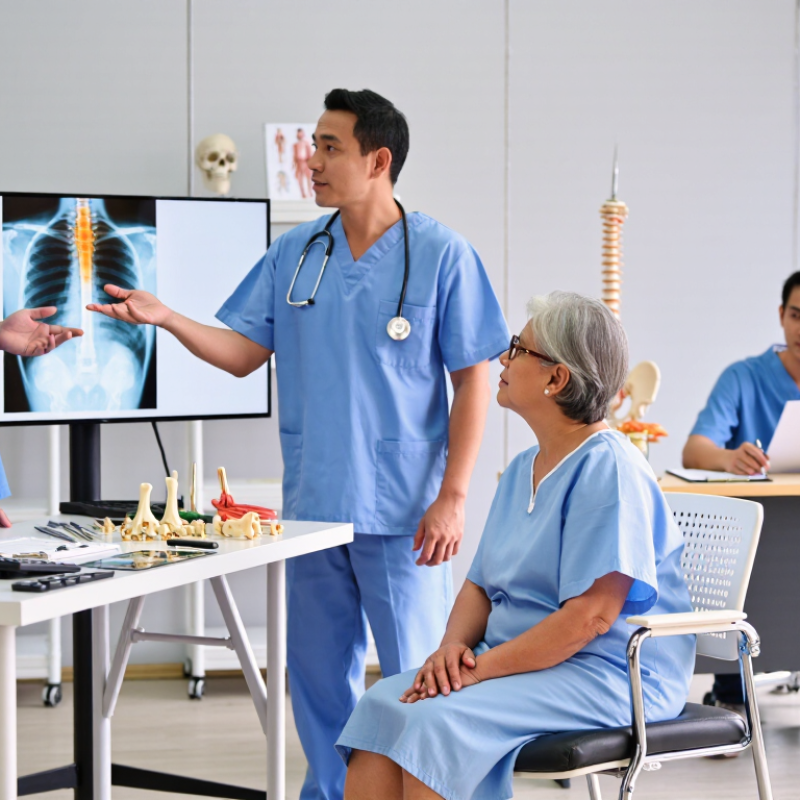
Table of Contents
[Hide]
Assess the Diagnosis, Anatomy, and Treatment Goals
How to Choose Orthopedic Surgical Techniques?
Assess the Diagnosis, Anatomy, and Treatment Goals
Choosing an orthopedic surgical technique starts with identifying what is causing symptoms, not simply naming an abnormality on an X-ray. A meniscal tear, for example, may be incidental when pain comes from arthritis or a nearby tendon. The medical history, physical examination, and imaging should tell a consistent story. Sometimes they do not. That uncertainty deserves discussion, not a rushed operation.
Anatomy shapes what is safe and practical. Surgeons consider bone quality, joint alignment, ligament stability, soft-tissue condition, and previous procedures. A small change in alignment can alter how forces travel through a knee or hip. MRI and X-rays help map the problem, but images cannot show how someone moves or what hurts during daily tasks. The examination fills in part of that gap. It is easy to overvalue a striking scan. Details matter.
Treatment goals matter just as much. One patient may hope to return to recreational tennis; another may prioritize walking comfortably to work. These aims can favor different balances of durability, recovery time, and motion. Ask what improvement is realistic, what restrictions may follow, and what alternatives exist, including nonsurgical care. There is no perfect technique. Even a well-planned procedure involves trade-offs, so the plan should be reconsidered when symptoms, imaging, and personal goals do not align.
How to Choose Orthopedic Surgical Techniques? - Assess the Diagnosis, Anatomy, and Treatment Goals
| Clinical Scenario | Key Diagnostic and Anatomic Factors | Common Technique Options | Treatment Goal and Selection Considerations |
|---|---|---|---|
| Displaced femoral neck fracture | Fracture displacement and pattern, bone quality, pre-injury mobility, age, and the condition of the hip joint. | Internal fixation for selected fractures; hemiarthroplasty or total hip arthroplasty for many displaced fractures in older adults. | Restore mobility while minimizing complications and the likelihood of another operation. Choice depends on fracture characteristics, overall health, functional status, and patient preferences. |
| Knee osteoarthritis | Extent and location of cartilage loss, limb alignment, ligament stability, range of motion, symptoms, and response to non-surgical care. | Total knee arthroplasty; unicompartmental knee arthroplasty for appropriately selected disease limited to one compartment; realignment osteotomy in selected patients. | Reduce pain and improve function. Preserve unaffected joint compartments when suitable, while accounting for alignment, ligament function, disease distribution, and activity needs. |
| Anterior cruciate ligament injury | Functional instability, activity demands, associated meniscal or cartilage injury, skeletal maturity, and graft-related considerations. | Structured rehabilitation without reconstruction for some patients; arthroscopic ligament reconstruction for persistent instability or specific activity goals. | Improve knee stability and support a safe return to desired activities. Reconstruction is not determined by imaging alone; symptoms, goals, associated injuries, and patient factors matter. |
| Rotator cuff tear | Tear size and location, tendon retraction, muscle quality, chronicity, shoulder function, and coexisting joint disease. | Non-surgical rehabilitation; arthroscopic or open tendon repair in appropriate cases; reverse shoulder arthroplasty for selected patients with an irreparable tear and substantial dysfunction. | Relieve pain and improve useful shoulder function. Repairability, tissue quality, functional demands, and the presence of arthritis help guide treatment. |
| Unstable ankle fracture | Fracture pattern, displacement, ankle mortise alignment, syndesmotic injury, skin condition, and neurovascular status. | Immobilization and close follow-up for selected stable fractures; open reduction and internal fixation for many unstable or displaced fractures. | Restore and maintain joint alignment to support healing and reduce the risk of post-traumatic problems. Soft-tissue condition and fracture stability influence timing and fixation strategy. |
| Lumbar disc herniation with nerve-root symptoms | Clinical examination correlated with imaging, level and location of herniation, symptom duration, neurologic findings, and response to conservative treatment. | Non-surgical care for many patients; discectomy or microdiscectomy for selected patients with persistent, concordant symptoms or concerning neurologic deficits. | Relieve nerve-root compression while limiting tissue disruption. Imaging findings must match the symptoms; urgent assessment is needed for severe or progressive neurologic deficits or suspected cauda equina syndrome. |
| Fracture with substantial soft-tissue injury | Fracture configuration, open-wound status, swelling, skin viability, contamination, vascular supply, and associated injuries. | Temporary stabilization followed by definitive fixation when appropriate; external fixation, internal fixation, or staged reconstruction depending on injury severity. | Protect the limb and soft tissues, control contamination when present, and achieve stable alignment. Timing and technique are tailored to tissue condition and the patient's overall stability. |
Clinical note: These examples are general educational information, not individualized medical advice. Technique selection requires assessment by a qualified orthopedic clinician, shared decision-making, and consideration of patient-specific risks, preferences, and local standards of care.
Related Posts
-
How to Choose Orthopedic Surgical Techniques for Hospitals?
-
How to Choose the Right Orthopedic Surgical Techniques for Your Needs?
-
Top Orthopedic Surgical Innovations for Global Buyers
-

China Top Orthopedic Surgical Outcomes for Global Buyers
-
2026 How to Choose Orthopedic Surgical Innovation?
-
What Are the Top Orthopedic Surgical Innovations in 2026?