How to Source Food Grade L-Threonine for Global Supply Chains
In the intricate world of global supply chains, sourcing high-quality ingredients is crucial. Food Grade L-Threonine stands out as an essential amino acid, widely used in various industries. Its significance stretches from animal nutrition to pharmaceuticals. Understanding how to effectively source this compound can enhance product quality and compliance.
Navigating the sourcing process requires expertise and a strategic approach. Identifying reliable suppliers is vital. Evaluate their certifications and review past performance. Maintaining transparency in supply chains fosters trust. Yet, challenges such as fluctuating prices and quality inconsistencies often arise. Companies must adapt and refine their sourcing strategies continuously.
Food Grade L-Threonine is not just another ingredient; it’s a key player in health and nutrition. Investing time in research and supplier relationships can yield significant rewards. However, it requires vigilance and an understanding of market dynamics. Embracing this complexity can lead to more informed decisions and improved outcomes for businesses and consumers alike.
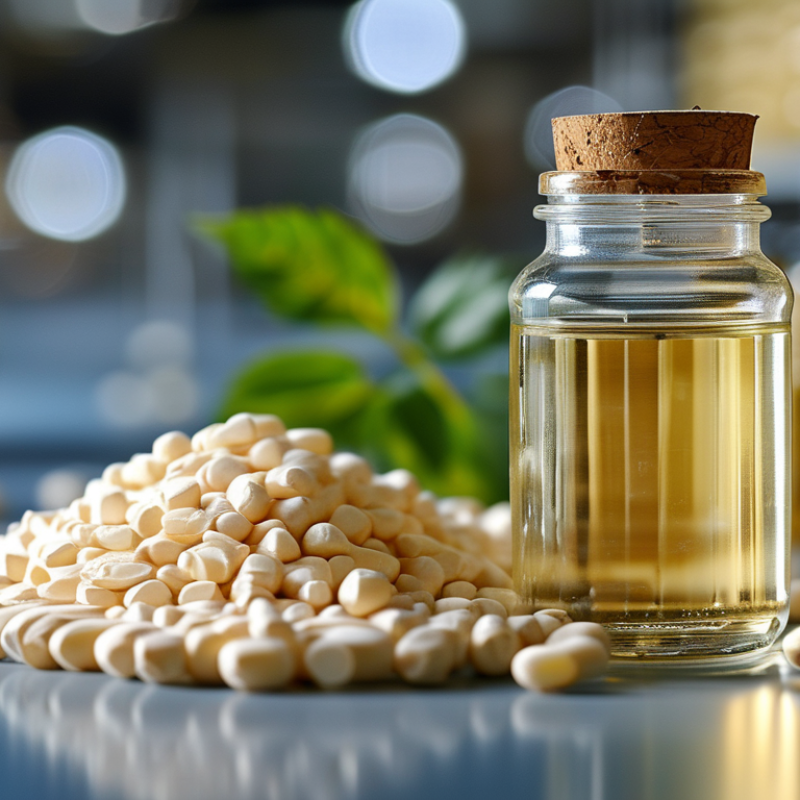
Understanding Food Grade L-Threonine and Its Applications in Supply Chains
Food grade L-Threonine is an essential amino acid that plays a crucial role in animal nutrition and health. It is vital in the diets of livestock and pets, supporting growth, immune function, and overall well-being. Sourcing this amino acid requires a deep understanding of its applications and quality standards. It is used in animal feed formulations as well as in human nutritional supplements, making its sourcing a vital part of global supply chains.
When sourcing L-Threonine, it is essential to consider several factors. Suppliers must adhere to strict quality control measures to ensure the product meets food safety standards. Transparency in sourcing and manufacturing processes is key. Quality certification and traceability add credibility to the supply chain. Engaging with experienced suppliers can significantly reduce risks associated with contamination or low-quality products. It is not always clear which suppliers meet these stringent requirements.
Companies should also remain aware of market dynamics that affect availability. Fluctuations in raw material prices and shifting regulations can impact sourcing strategies. Regularly assessing supply chain risks can lead to better preparedness for market changes. While establishing relationships with suppliers, companies should be open to discussions about potential improvements and innovations in sourcing practices. This approach fosters collaboration and can yield better quality products for consumers.
Identifying Reliable Suppliers for Food Grade L-Threonine Globally
Sourcing food grade L-Threonine involves meticulous research to ensure quality and safety. Identifying reliable suppliers globally is critical. Start with reputable industry directories. Many such resources provide detailed supplier lists along with their certifications and compliance records. This information plays a vital role in verifying reliability.
Engaging with industry forums can also yield insights. Participate in discussions where professionals share experiences. Their recommendations can help you navigate through potential suppliers. Look for those who have established a good track record. Company reviews and testimonials can highlight the pros and cons of different suppliers.
Evaluating suppliers based on their quality assurance processes is essential. Request samples to assess the product firsthand. Check their production methods. Are they transparent about sourcing raw materials? Investigate their certifications, too. This diligence ensures the supplier aligns with safety standards. Always keep the door open for feedback and don’t hesitate to reconsider partnerships if issues arise. This reflective approach strengthens your supply chain.
Evaluating Quality Standards and Certifications for L-Threonine Sourcing
Sourcing food grade L-Threonine for global supply chains requires thorough evaluation of quality standards. Consider ISO certifications, which ensure adherence to internationally recognized safety and quality protocols. Companies often leverage these standards to validate their sourcing practices. An ISO 9001 certification, for instance, can demonstrate a commitment to quality management systems.
However, not all companies follow these protocols. A study by the International Feed Industry Federation reveals that up to 30% of suppliers lack proper certifications. This inconsistency can lead to market risks. Suppliers with robust certifications are more likely to provide reliable products, which is critical for industries reliant on L-Threonine for animal feed and nutritional supplements.
Beyond certificates, assessing raw material sources is crucial. High-quality L-Threonine should come from reputable fermentation processes. Transparent supply chains contribute to both quality assurance and supplier reliability. Still, many organizations struggle with traceability issues. A 2022 report highlighted that only 50% of companies can trace the origins of their ingredients effectively. Addressing these gaps is essential for establishing trustworthy global supply chains.
Analyzing Market Trends and Demand for Food Grade L-Threonine
The global demand for food grade L-Threonine continues to rise as consumers increasingly prioritize high-quality protein sources. According to recent market analysis, the food grade L-Threonine market was valued at approximately $383 million in 2022, with expected growth rates nearing 6.3% annually through 2030. This growth is spurred by a rising trend in pet nutrition and dietary supplements focusing on amino acid balance.
Moreover, trends indicate a shift towards plant-based protein formulations. Research shows that food manufacturers are seeking sustainable L-Threonine sources to meet the clean label demands. This inclination reflects a broader consumer shift towards healthier eating habits. In many areas, sourcing L-Threonine from natural fermentation processes is gaining traction. However, the availability and pricing can be volatile.
Geographically, Asia-Pacific holds a significant share of this market. Countries like China and India are becoming key players in L-Threonine production. Yet, suppliers face challenges in maintaining consistent quality. Fluctuations in raw material availability and regulatory scrutiny may impact production lines. Adapting to these dynamics will require careful planning and strategic sourcing initiatives. Analyzing these shifts offers valuable insight for stakeholders looking to navigate this evolving landscape.
Navigating Regulatory Requirements in International Trade of L-Threonine
Navigating regulatory requirements for food grade L-Threonine in global supply chains can be complex. Each country has its own rules. For example, the European Union imposes strict guidelines on food additives. Understanding these regulations is critical for compliance and market access. In 2022, the global L-Threonine market was valued at approximately $1.5 billion, highlighting its significance in animal nutrition.
Manufacturers must stay updated. The Codex Alimentarius provides international food standards, yet implementation can vary. Evaluate the safety assessments required in target markets. The U.S. Food and Drug Administration (FDA) categorizes L-Threonine as Generally Recognized As Safe (GRAS), but this status may differ elsewhere. This discrepancy can create barriers for importers.
Quality assurance is paramount. Third-party certifications can help ensure compliance and build trust. Without these, products may face scrutiny. Missteps in documentation can lead to delays and costly fines. Continuous monitoring and adaptation are necessary in a shifting regulatory landscape. Engaging with local experts can provide insights into regional practices and avoid pitfalls.
How to Source Food Grade L-Threonine for Global Supply Chains - Navigating Regulatory Requirements in International Trade of L-Threonine
| Country | Regulatory Body | Key Regulations | Import Tariffs (%) | Certification Requirements |
| United States | FDA | Food Safety Modernization Act | 0% | GRAS status |
| European Union | EFSA | Regulation (EC) No 1332/2008 | 6% | Novel Food Regulation |
| China | NMPA | Food Safety Law | 10% | Health Certificate |
| Japan | MAFF | Food Sanitation Act | 0% | Safety Assessment |
| Brazil | ANVISA | Food Law | 12% | Import License |