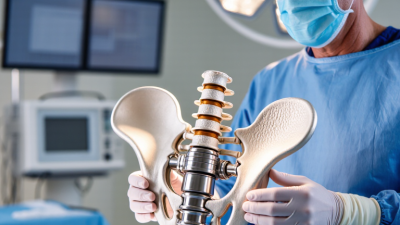
China Top 10 Knee Replacement Surgery Manufacturers
China’s knee replacement surgery industry is expanding from contract manufacturing toward complete, clinically focused implant systems. This shift matters. A knee implant is not merely a polished metal component; it must tolerate repeated loading, precise alignment, and years of movement.
The World Health Organization reports that approximately 528 million people worldwide live with osteoarthritis, with knee disease among the most common forms (WHO, 2022). The American Joint Replacement Registry’s 2023 Annual Report also shows continuing growth in recorded hip and knee arthroplasty procedures in the United States. These figures indicate sustained demand, but they do not prove that every manufacturer offers equal quality. That distinction deserves attention.
Dr. Geoffrey Westrich, an orthopaedic surgeon at Hospital for Special Surgery, has described the goal of knee replacement as “relieving pain and restoring function.” That practical objective should guide any review of China’s leading suppliers. This introduction examines ten manufacturers through product portfolios, NMPA registration, ISO 13485 quality systems, surgical compatibility, research activity, and international market presence. It also considers material choices, including cobalt-chromium alloys, titanium, polyethylene, and ceramic options.
Some rankings rely heavily on public information. That creates limitations. Manufacturing capacity may be easier to verify than long-term revision data. Marketing claims may also appear stronger than published clinical evidence. Therefore, readers should compare regulatory documents, surgeon feedback, implant design, and post-market surveillance before making procurement decisions. The strongest companies are not necessarily the loudest. Reliable performance is usually quieter.
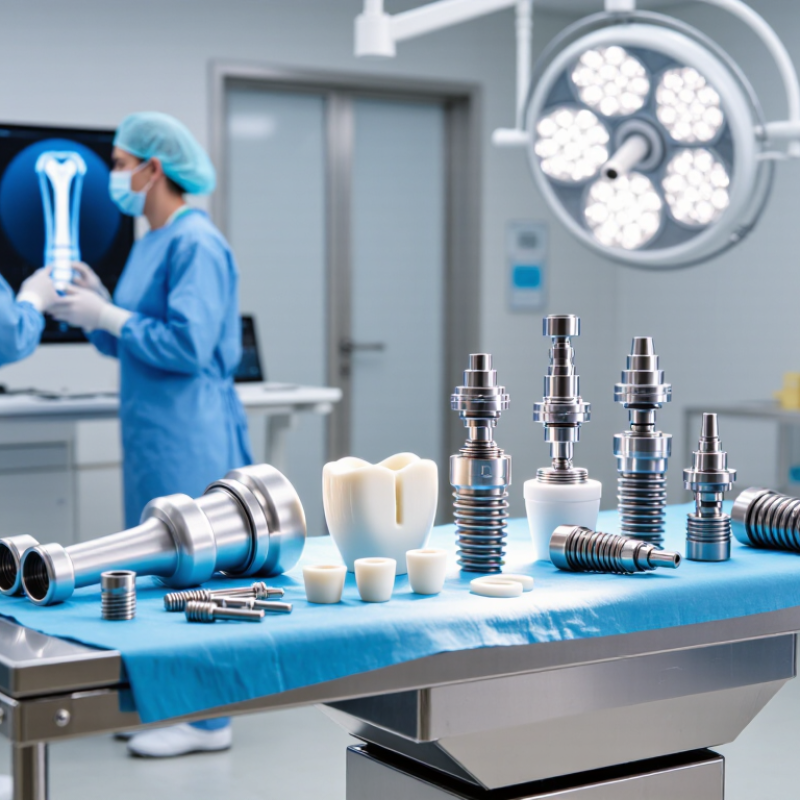
What Knee Replacement Manufacturers in China Produce
China’s knee replacement manufacturers produce more than finished implants. Their product lines commonly include femoral components, tibial trays, polyethylene inserts, patellar buttons, trial parts, and surgical instruments. Some facilities also develop patient-specific cutting guides and tools compatible with computer-assisted surgery.
The World Health Organization estimates that 528 million people worldwide live with osteoarthritis. The knee is one of the most affected joints. This demand encourages Chinese manufacturers to expand production of cobalt-chromium, titanium, ceramic, and ultra-high-molecular-weight polyethylene components. Material selection matters. It influences wear, stability, imaging performance, and revision planning.
Quality systems are equally important. Manufacturers serving hospitals typically manage design controls, biocompatibility testing, fatigue testing, sterilization validation, and traceability under medical-device regulations and ISO 13485 systems. Public industry reports also show continued growth in China’s orthopedic implant market, supported by an aging population and higher surgical capacity. However, market growth does not prove clinical superiority. That point is often missed.
Buyers should examine test reports, registry evidence, surgeon feedback, and the manufacturer’s revision data. Packaging should arrive clean, sealed, and clearly labeled, with lot numbers visible on the tray. Instrument ergonomics deserve attention too; a technically sound implant can still frustrate surgeons when trials are confusing. Some product catalogues look impressive, but long-term evidence may remain limited.
What Chinese Knee Replacement Manufacturers Produce
Core product families commonly included in a total knee replacement system
Chinese knee replacement manufacturers typically develop complete system portfolios covering femoral components,
tibial trays, polyethylene inserts, patellar components, and matching surgical instruments. The chart shows the
standard product families in a total knee replacement system, not company names, sales figures, or market share.
Profiles of China’s Top 10 Knee Replacement Manufacturers
China’s top ten knee replacement manufacturers show a diverse medical device landscape. Their profiles differ in design focus, production scale, and clinical support. Some concentrate on primary knee systems, while others develop revision implants for complex cases. Several also produce surgical instruments, trial components, and alignment tools. These details matter because surgeons assess the complete operating system, not only the implant.
A credible manufacturer should demonstrate controlled material sourcing, documented testing, and stable production records. Common materials include cobalt-chromium alloys, titanium, and medical-grade polymer inserts. Manufacturers with stronger engineering teams often refine surface finishes, fixation methods, and sizing options. Their quality departments should monitor machining accuracy, sterilization processes, packaging, and traceability. Hospital feedback can reveal practical strengths, such as smooth instrument handling or reliable delivery during scheduled procedures.
Clinical evidence remains essential. A polished catalog is not enough. Manufacturers should provide technical files, safety data, regulatory documentation, and follow-up evidence from real patients. Some companies publish detailed data, while others offer limited public information. That gap deserves attention. Procurement teams should verify testing methods, surgeon training, service response, and long-term revision records before making comparisons. Pricing may influence a purchase, but low initial cost cannot replace dependable fit, clear documentation, and consistent support. The ranking of these ten manufacturers should therefore remain evidence-based, transparent, and open to revision as new clinical data appears.