
In recent years, Sleep Monitoring Technology has rapidly evolved, offering users unprecedented insights into their sleep patterns. Dr. Michael Breus, a well-respected sleep specialist, once stated, “Understanding your sleep is the first step to improving it.” This highlights the importance of leveraging these advancements for better health.
Sleep monitoring technology encompasses a range of tools and devices. From smart mattresses to wearable trackers, each offers unique features and benefits. For instance, some devices can adjust temperature or track sleep cycles in real-time. However, the sheer variety can overwhelm consumers. Choosing the right tool requires careful consideration.
Despite its promise, there are challenges. Not all devices are equally accurate. Misinterpretations of sleep data can lead to unnecessary stress. Users may find themselves obsessing over metrics rather than focusing on overall well-being. As we explore the top trends in this field, it's crucial to balance tech benefits with mindful sleep practices.
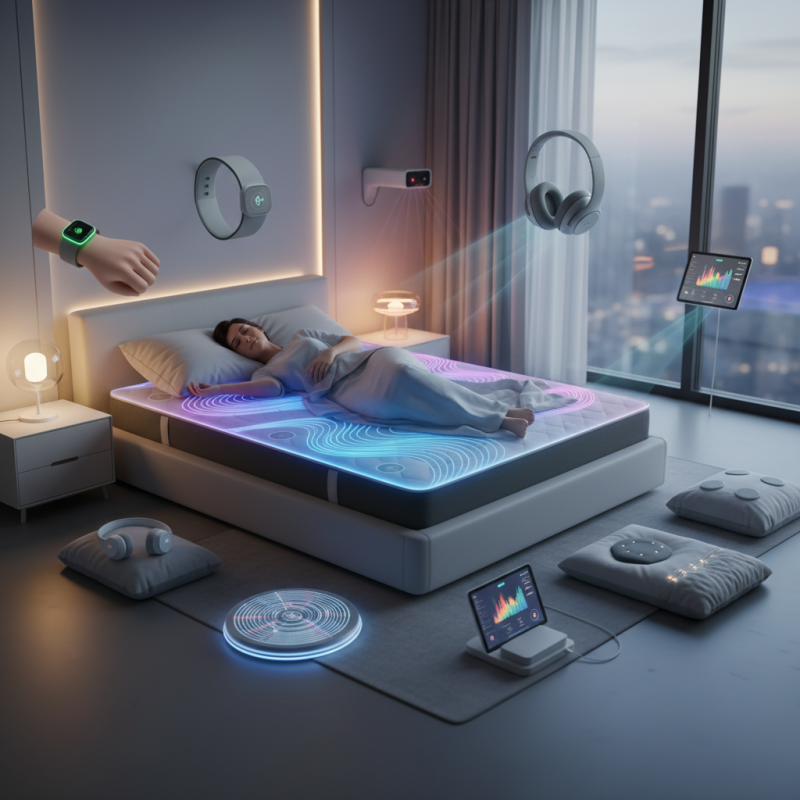
The landscape of sleep monitoring is rapidly evolving with innovative wearable devices. These gadgets are transforming how we track our sleep patterns and improve overall well-being. Designed to be user-friendly, they provide real-time data to help you understand your sleep quality and duration. Many of these devices harness advanced technology to analyze sleep stages and offer insights tailored to individual needs.
Emerging wearables incorporate features like heart rate variability tracking and breathing analysis. This data can be invaluable for identifying sleep disorders and optimizing rest. However, with many options on the market, the effectiveness can vary. Users may struggle to determine which device truly meets their needs. It is essential to approach these devices with realistic expectations. Not all wearables deliver consistent results. Overreliance on technology may lead to anxiety about sleep rather than improvement.
Moreover, some people might find the data overwhelming or confusing. While wearables can provide valuable insights, they require careful interpretation. It is crucial to consider personal lifestyle factors, such as stress and environment, when assessing sleep quality. Balancing technology with mindful practices like relaxation techniques could enhance the benefits of sleep tracking. Adjusting to this new era of sleep monitoring is exciting yet challenging.
This bar chart illustrates the popularity index of various emerging wearable devices and technologies revolutionizing sleep monitoring. Each category indicates a growing trend in consumer interest and technological adoption.
The integration of AI in sleep monitoring technology is revolutionizing how we understand sleep patterns. With advanced algorithms, AI can analyze vast amounts of data, identifying unique sleep characteristics. This personalized approach allows for tailored recommendations, improving overall sleep quality.
AI-driven devices can capture nuanced details about sleep stages, disruptions, and even environmental factors. They examine more than just duration; they consider heart rate, breathing patterns, and movement. These insights empower users with knowledge, promoting better sleep hygiene. However, data accuracy and privacy remain concerns. Users must reflect on how their information is stored and used.
Despite the promise, AI isn't infallible. Some algorithms may misinterpret data, leading to misleading conclusions. As technology evolves, it's crucial to maintain a critical eye on these trends. Sleep is a complex phenomenon, influenced by numerous variables. Embracing AI means staying informed about both its benefits and limitations.
| Trend | Description | Impact |
|---|---|---|
| AI-Powered Sleep Analysis | Utilizing artificial intelligence to analyze sleep patterns and provide personalized insights. | Improved understanding of sleep quality and disorders. |
| Wearable Sleep Trackers | Devices worn on the body to monitor sleep stages and duration. | Encourages users to adopt healthier sleep habits. |
| Smart Mattresses | Mattresses equipped with sensors to track sleep quality and adjust firmness. | Enhanced comfort leading to better sleep. |
| Sleep Apps Integration | Applications that offer sleep tracking and analysis based on user data. | Convenient access to sleep insights and recommendations. |
| Personalized Sleep Coaching | Tailored coaching based on individual sleep data and preferences. | Helps individuals achieve optimal sleep health. |
| Sleep Environment Optimization | Technologies that adjust room lighting and temperature for better sleep. | Promotes restful sleep through environmental control. |
| AI Sleep Assistant | Virtual assistants that provide sleep tips and reminders based on user habits. | Encourages better sleep practices through interactive support. |
| Data Sharing with Healthcare | Integration of sleep data with healthcare providers for comprehensive health analysis. | Facilitates better diagnosis and treatment of sleep disorders. |
| Blockchain for Sleep Data Security | Using blockchain technology to secure personal sleep data. | Enhances privacy and security for users. |
| Integration with Fitness Tracking | Combining sleep data with fitness metrics for a holistic health approach. | Promotes overall wellness by linking activity levels to sleep quality. |
The world of sleep monitoring is evolving rapidly. Non-invasive sleep tracking technologies are at the forefront of this change. These advancements offer a less intrusive way to monitor sleep patterns. Using sensors embedded in everyday items, such as mattresses or pillows, users can gain insights without wearing a device.
Smart technology captures various data points—heart rate, movement, and even temperature. This information helps identify sleep disorders and patterns. It’s important to remember that while technology can provide valuable insights, it may not be entirely accurate. Consider self-assessment in conjunction with tech data.
Tips: Establish a consistent sleep schedule. A regular routine enhances sleep quality. Limit screen time before bed. Reducing blue light exposure can significantly improve sleep. Keep the bedroom dark and cool. A comfortable environment promotes better rest. Reflect on your sleep habits regularly. This self-awareness can guide you to healthier choices.
Mobile apps have revolutionized personal sleep management. They offer valuable insights into sleep patterns and improve sleep quality. Users can track sleep stages, duration, and disturbances conveniently. This information empowers individuals to make informed changes to their routines.
Setting up a sleep app is simple. Start by inputting your bedtime and wake time. Many apps provide reminders to help you stick to a schedule. Experiment with features like meditation tracks or calming sounds to enhance relaxation before sleep.
Tips: Create a bedtime routine to signal your body it's time to wind down. Consider limiting screen time an hour before bed. Consistency is key for better sleep habits. Regular use of these apps helps in identifying trends and issues. Adjust your nighttime environment based on app feedback, like room temperature or light levels. Remember, every night is an opportunity to improve. Evaluate your sleep regularly and reflect on what works best for you.
Creating an optimal sleep environment is vital for quality rest. Smart home devices play an increasingly vital role in this pursuit. Smart thermostats can adjust room temperature, ensuring a comfortable sleeping atmosphere. Sleep-tracking devices can gather data about your sleep patterns, helping you understand what works best for you.
Moreover, smart lighting systems can simulate sunset and sunrise. These lights gradually dim and brighten, preparing your body for sleep and waking. Sound machines can produce calming sounds, helping to drown out distractions. However, it's important to remember that over-reliance on technology may complicate sleep routines.
Finding a balance is essential. While smart devices offer convenience, they can sometimes interfere with natural sleep signals. Reflecting on how technology impacts your sleep can lead to better rest. Each individual may need to tweak their setup to optimize their unique sleep environment. With thoughtful adjustments, you can make smart home technology a true ally in your sleep journey.
Copyright © 2021 United Orthopedic Corporation All Rights Reserved.
Necessary cookies are absolutely essential for the website to function properly. This category only includes cookies that ensures basic functionalities and security features of the website. These cookies do not store any personal information.
Any cookies that may not be particularly necessary for the website to function and is used specifically to collect user personal data via analytics, ads, other embedded contents are termed as non-necessary cookies. It is mandatory to procure user consent prior to running these cookies on your website.