Joint replacement recovery is rarely a straight line. Most patients expect pain relief, but the early days can feel surprisingly demanding. A walker may stand beside the bed. Swelling can reach the ankle. Sleep may come in short, broken stretches.
Orthopedic surgeon Dr. Geoffrey Westrich of Hospital for Special Surgery reminds patients, “The recovery process is different for every patient.” That sentence matters. A healthy 60-year-old may progress quickly, while another patient needs more time after knee or hip surgery. Age, muscle strength, surgical technique, medical conditions, and home support all influence healing.
This guide explores what joint replacement recovery can feel like from the hospital through the following weeks. It covers walking, physical therapy, wound care, pain management, driving, work, and warning signs that require medical advice. Expect gradual progress, not instant results. Small achievements count. Standing safely, bending the knee slightly farther, or taking a few extra steps can signal meaningful improvement.
Recovery can also be frustrating. Some days feel better than others. That does not always mean something is wrong. Still, patients should not dismiss increasing redness, fever, drainage, sudden calf pain, or breathing difficulty. Contacting the surgical team early is safer than guessing.
No timeline fits everyone. This overview offers practical context, not a personal treatment plan. Your surgeon and rehabilitation team know the details that matter most. Be patient, stay observant, and allow room to adjust expectations.
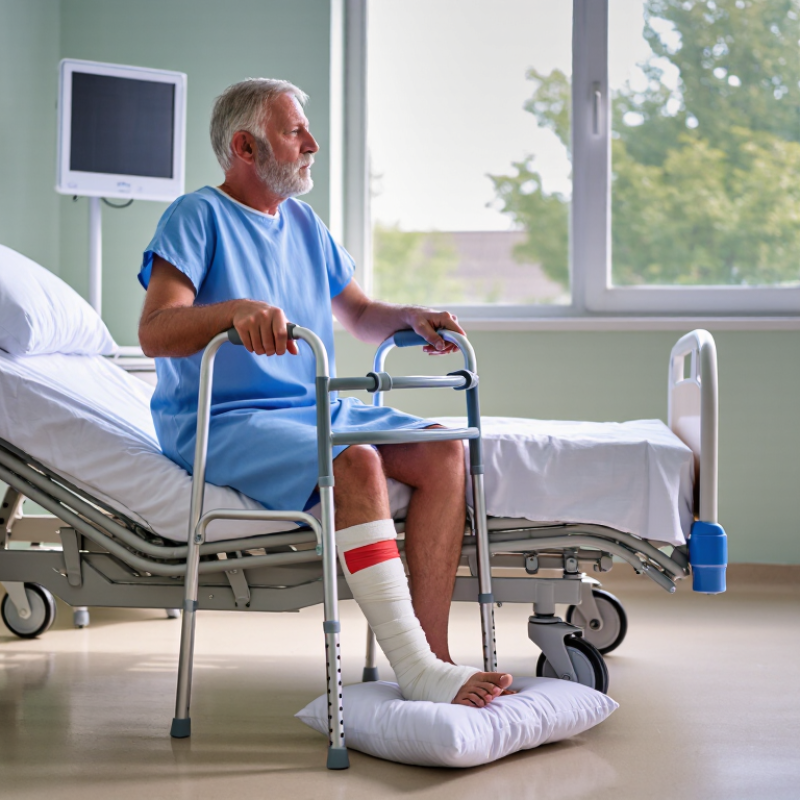
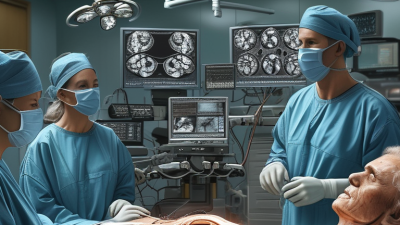
The first hours after joint replacement surgery can feel surprisingly busy. In the recovery area, nurses repeatedly check breathing, blood pressure, alertness, and leg movement. A warm blanket may cover you, while monitors quietly track every change. Numbness can persist after spinal anesthesia or a nerve block. That sensation is expected, but it requires careful assistance before standing.
Pain control usually combines several methods, rather than relying on one medicine. The ERAS Society recommends multimodal pain management and early movement when clinically appropriate. A physical therapist may help you sit, stand, or take a few supported steps. Your knee or hip may feel weak. That is normal, but falls are preventable. Do not walk alone, even if you feel confident.
Blood-clot prevention also begins early. Staff may use compression devices, prescribed medication, and ankle exercises. The American Joint Replacement Registry’s 2024 Annual Report covered more than three million hip and knee procedures, showing how widely standardized recovery pathways are used. Still, protocols differ between hospitals and patients. AHRQ HCUP data also identify joint replacement among common inpatient procedures, yet “routine” does not mean identical. Nausea, dizziness, urinary difficulty, or uncontrolled pain should be reported promptly. Recovery is not perfectly smooth. Sometimes, the plan needs changing.
What Is Joint Replacement Recovery Like?
Hospital care often begins with frequent checks of your pain, blood pressure, circulation, and surgical dressing. A nurse may help you sit up, stand, and take a few steps within hours of surgery. Physical therapists usually teach safe transfers, walker use, and simple exercises. It can feel surprisingly tiring. Even a short walk may require several pauses.
Before discharge, the care team should confirm that you can move safely, use the bathroom, and manage your pain with an agreed medication plan. Ask how to care for the incision, when to change the dressing, and which symptoms need urgent attention. Increasing redness, drainage, fever, chest pain, or sudden shortness of breath should never be ignored. Write instructions down. Pain medicine can make details harder to remember.
Prepare your home before surgery. Remove loose rugs, clear narrow walkways, and place everyday items within easy reach. A firm chair with arms can make standing easier. Keep water, medications, and your phone nearby. Arrange help with meals, bathing, pets, and transportation. Recovery is not always predictable; swelling or poor sleep may slow progress. I would rather plan for extra assistance than assume independence will return immediately. Follow-up appointments help the clinical team adjust exercises, medication, and activity limits as healing develops.
| Recovery Dimension | What Usually Happens | Typical Timing | What Helps You Prepare |
|---|---|---|---|
| Arrival and immediate recovery | After surgery, staff monitor blood pressure, breathing, circulation, the incision, and the effects of anesthesia. Fluids and prescribed medicines may be given as needed. | First several hours | Tell the care team about allergies, medical conditions, regular medicines, and any previous problems with anesthesia. |
| Pain and swelling control | Pain, swelling, bruising, and stiffness are common. Treatment may include prescribed pain relief, ice or cold therapy when recommended, elevation, and regular movement. | Most noticeable during the first days; gradually improves over subsequent weeks | Arrange approved cold packs, comfortable clothing, and a clear plan for taking medicines exactly as directed. |
| Early movement | A physical therapist or trained clinician usually helps the patient sit up, stand, and walk with an appropriate aid. Movement supports circulation and helps restore function. | Often on the day of surgery or the next day, depending on health and procedure | Practice using crutches, a walker, or a cane if advised. Wear secure, low-slip footwear. |
| Physical therapy assessment | Therapy commonly covers safe transfers, walking technique, exercises, stairs, joint precautions when applicable, and a home exercise program. | During the hospital stay and throughout early recovery | Identify who will help with exercises and transportation to follow-up or therapy appointments. |
| Blood-clot prevention | The care team may recommend early walking, leg exercises, compression measures, and prescribed blood-thinning medicine based on individual risk. | Begins in hospital and may continue at home | Understand the medication schedule and seek urgent medical advice for sudden chest pain, shortness of breath, or new one-sided leg swelling. |
| Incision care | The incision is checked for drainage, redness, separation, and other signs of healing. Instructions vary regarding dressings, bathing, and staple or suture removal. | From discharge through the first follow-up visits | Keep written wound-care instructions accessible and contact the care team for increasing redness, warmth, drainage, fever, or worsening pain. |
| Daily activities in hospital | Staff assess eating, drinking, urination, dressing, toileting, transfers, and walking safety. Fatigue is common even when progress is satisfactory. | Usually during the first one to several days | Plan for extra rest and ask for help rather than attempting unsafe movements alone. |
| Discharge readiness | Discharge is generally considered when pain is manageable, vital signs are stable, medicines are understood, and the patient can move safely with the recommended assistance. | Many uncomplicated cases leave within one to three days; some patients go home the same day | Confirm transportation, prescriptions, follow-up dates, emergency contacts, and the level of help needed at home. |
| Home environment | The first days at home may involve limited walking, frequent rest, and assistance with meals, bathing, dressing, shopping, and household tasks. | Especially important during the first one to two weeks | Remove loose rugs and clutter, improve lighting, secure electrical cords, and place commonly used items within easy reach. |
| Bathroom and bedroom setup | Sitting down, standing up, and stepping into a shower can be difficult initially. The safest setup depends on the joint replaced and individual instructions. | Prepare before surgery and reassess after discharge | Consider a raised toilet seat, shower chair, grab bars, a firm chair with arms, and a sleeping area that avoids unnecessary stairs. |
| Medicines and routine | The discharge plan may include pain medicine, bowel-management advice, blood-clot prevention, and instructions for regular medicines. | Immediately after discharge and during early recovery | Use a written schedule or pill organizer if appropriate, and ask before adding over-the-counter medicines or supplements. |
| Follow-up and rehabilitation | Follow-up visits evaluate wound healing, movement, pain, walking, and possible complications. Rehabilitation may be home-based, outpatient, or facility-based. | Often within a few weeks, with ongoing progress over several months | Keep appointments, complete exercises as prescribed, and increase activity gradually rather than rushing recovery. |
| Returning to normal activities | Walking and independence often improve steadily, but stamina, strength, swelling, and flexibility may take longer to recover. Driving, work, travel, and exercise require individual clearance. | Progress varies; meaningful improvement commonly continues for several months | Follow the surgeon’s restrictions, avoid high-risk activities until cleared, and report setbacks instead of ignoring them. |
Recovery varies according to the joint replaced, surgical approach, overall health, home support, and progress with rehabilitation. Always follow the personalized instructions provided by the surgical and rehabilitation team.
Joint replacement recovery is less dramatic than many people expect. The first days often center on pain control, wound checks, swelling, and safe movement. Pain should gradually ease, but it may increase after therapy or a longer walk. Use prescribed medicines exactly as directed. Tell your care team if pain remains uncontrolled. Do not quietly endure it. A cold pack wrapped in cloth may reduce swelling. Follow your surgical instructions about incision care. Avoid creams unless your clinician approves them. Small steps matter.
Swelling can extend from the joint into the ankle or foot. Elevating the limb, completing approved exercises, and wearing recommended compression can help. Never place ice directly on the skin. Check the wound each day with clean hands. Increasing redness, warmth, drainage, wound separation, fever, new calf pain, or sudden breathlessness needs prompt medical attention. Some symptoms overlap, so guessing is not wise.
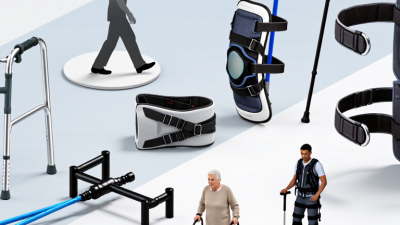
Daily activities usually return in stages. A walker or cane may be necessary before walking feels natural. Sit on a firm chair, keep essential items nearby, and remove loose rugs. Ask for help with bathing, socks, meals, and stairs during the early period. Do not drive until your surgeon confirms that braking and medication use are safe. Recovery is not perfectly linear. A stronger morning can still be followed by a tiring afternoon. Reassess the pace, rather than treating one difficult day as failure.
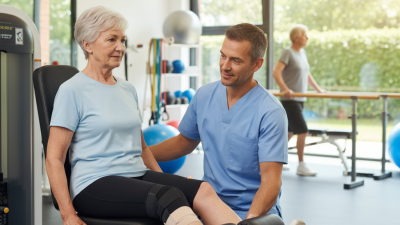
Joint replacement recovery often begins beside the bed, not in the gym. A therapist may ask you to stand, shift weight, and take a few careful steps within 24 hours. Early sessions usually target ankle pumps, breathing, knee bends, and safe transfers. Small movements matter.
The American Physical Therapy Association’s clinical practice guideline supports structured exercise, functional training, and patient education after total knee replacement. In the first two weeks, therapy may happen at home or in an outpatient clinic. A 2022 Cochrane review found no important short-term functional advantage for outpatient therapy over well-designed home programs after knee replacement. That finding can feel reassuring, but it does not make every home program equal. Your strength, stairs, swelling, and support system change the plan.
By weeks three and four, many patients practice longer walks, controlled chair rises, and gentle strength work. The National Joint Registry’s 2024 annual report recorded more than 200,000 primary knee replacements in England and Wales during 2023, showing how common this recovery pathway has become. Yet progress remains personal. One day may bring a smoother gait; the next may bring stiffness after a busy afternoon. That is not failure. It is useful feedback.
Pain should gradually become more manageable, while increasing redness, drainage, fever, calf swelling, or sudden breathlessness requires prompt medical advice. Therapists often adjust exercises after observing the details: a guarded step, a knee that bends less, or hands gripping the walker too tightly. Recovery is measured in function, not perfection.
Joint replacement recovery is measured in months, not days. Early goals include controlling swelling, walking safely, and restoring joint movement. Many patients use a walker briefly, then progress to a cane. Physical therapy often continues for several weeks. Hip and knee patients commonly regain useful daily function within three months, though full strength may take a year.
Long-term recovery is rarely perfectly linear. A stronger week can follow a painful one. The 2024 American Joint Replacement Registry Annual Report reviewed more than three million procedures, supporting the value of structured follow-up and outcome tracking. The American Academy of Orthopaedic Surgeons reports that over 90% of hip and knee replacements remain functional after 15 years. That figure is encouraging, but it is not a promise. Age, weight, activity, infection, bone quality, and surgical factors can change personal risk. Persistent warmth, drainage, fever, calf pain, or sudden loss of movement needs prompt medical assessment.
Tips: Keep walking short and regular. Follow the prescribed exercises. Do not rush stairs or heavy lifting. Protect sleep and nutrition. Record pain, swelling, and movement changes. A useful reflection is simple: recovery should challenge the joint gradually, not punish it. Even when pain improves, weakness may remain. Follow-up visits can identify problems before they become harder to correct.
Copyright © 2021 United Orthopedic Corporation All Rights Reserved.
Necessary cookies are absolutely essential for the website to function properly. This category only includes cookies that ensures basic functionalities and security features of the website. These cookies do not store any personal information.
Any cookies that may not be particularly necessary for the website to function and is used specifically to collect user personal data via analytics, ads, other embedded contents are termed as non-necessary cookies. It is mandatory to procure user consent prior to running these cookies on your website.