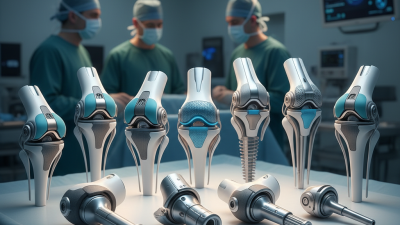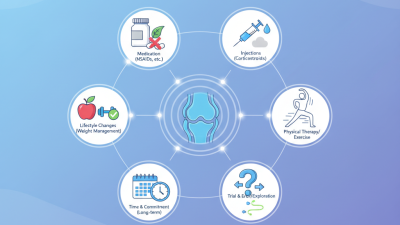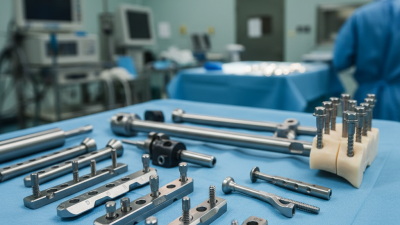
Choosing the 2026 best joint function restoration products requires more than comparing labels, prices, or online ratings. The phrase “joint function restoration” covers different solutions, including braces, rehabilitation devices, mobility aids, topical products, and clinically studied supplements. Each option serves a different need. A knee support may improve stability during a walk, while resistance bands can help rebuild strength after professional guidance. The best product depends on the joint involved, the underlying condition, daily activity, and medical history.
Dr. David T. Felson, a rheumatologist and osteoarthritis researcher, has stated, “Exercise is the best treatment for osteoarthritis.” His observation provides an important standard for evaluating products. A useful product should support movement, not promise instant repair. Look for transparent ingredients, clear instructions, independent testing, and evidence from credible clinical research. Check whether the product has appropriate regulatory clearance for its intended use. Small details matter. A brace that slips on stairs is not a practical solution. A supplement that causes stomach discomfort may reduce adherence.
No ranking is flawless. Evidence can be limited, studies may involve small groups, and marketing language can sound stronger than the data. This guide examines the 2026 best joint function restoration products through an evidence-aware, user-focused lens. It considers comfort, safety, durability, clinical relevance, and real-world usability. Readers should also discuss persistent pain, swelling, weakness, or reduced mobility with a qualified healthcare professional before selecting a product. Recovery is rarely dramatic. Often, it begins with consistent, manageable support.
In 2026, joint function restoration means more than reducing discomfort. It means walking safely, gripping a cup, climbing stairs, or returning to work.
These figures show why joint products need clearer standards.
The best restoration products should support measurable movement. Useful evidence may include improved range of motion, walking tolerance, muscle strength, and daily independence. Clinical guidelines generally place therapeutic exercise, load management, and professional assessment near the center of care. Braces, mobility aids, recovery devices, and nutritional products may help selected users. They should not replace diagnosis. A product claiming to rebuild cartilage deserves careful scrutiny.
A warmer knee is not necessarily a stronger knee. A flexible brace is not automatically a better brace. My own caution is deliberate: product comparisons often measure short-term comfort, while function changes slowly. The evidence is still uneven. Users should track steps, balance, grip strength, and task performance over several weeks. Professional guidance becomes especially important after surgery, injury, swelling, or persistent morning stiffness. Small gains count. Claims should remain modest.
Joint function restoration products are easier to assess when classified by intended outcome, not advertising language. This matters because joint problems vary widely in cause, severity, and recovery potential. The World Health Organization estimates that 1.71 billion people live with musculoskeletal conditions worldwide. Osteoarthritis affected about 528 million people in 2019, according to WHO data.
A practical classification includes four groups. Support products include braces, sleeves, and mobility aids that improve stability or reduce load. Rehabilitation products include resistance tools, movement systems, and supervised exercise platforms. Symptom-management products may use heat, cold, or topical ingredients for temporary comfort. Nutritional products belong in a separate category because their evidence, dosage, and safety profiles differ. They should not be presented as replacements for diagnosis or rehabilitation.
Evidence must guide the final ranking. Clinical studies should report measurable outcomes, such as walking distance, range of motion, pain scores, and adverse events. The American Academy of Orthopaedic Surgeons recommends shared decision-making and condition-specific evaluation. Regulatory status also matters, especially for products making therapeutic claims. The FDA emphasizes that safety and effectiveness depend on intended use and supporting evidence. This framework is useful, but not perfect. Marketing categories remain inconsistent, and short studies may exaggerate long-term benefits. A careful 2026 review should therefore compare product purpose, user risk, clinical evidence, and real-world usability.
| Product Classification | Typical Product Forms | Primary Function | Best-Suited Users or Situations | Evidence and Expected Benefit | Key Limitations and Safety Notes |
|---|---|---|---|---|---|
| 1. Therapeutic Exercise and Rehabilitation Devices | Resistance bands, ankle or wrist weights, balance boards, stationary bicycles, exercise pedals, and guided rehabilitation systems | Improve muscle strength, joint stability, range of motion, balance, and movement confidence | Osteoarthritis, post-injury recovery, deconditioning, and prevention of functional decline | Strongest overall support: structured exercise is a core treatment for many chronic joint conditions and can improve pain and physical function when performed consistently | Technique, progression, and adherence are essential. Exercise should be adapted after surgery, acute injury, or severe inflammation by a qualified professional |
| 2. Braces, Orthoses, and Support Products | Knee braces, wrist splints, ankle supports, thumb orthoses, compression sleeves, and foot orthotics | Provide external support, limit painful motion, improve alignment, and reduce mechanical stress | Activity-related instability, selected knee osteoarthritis, tendon irritation, sprains, and temporary post-injury support | May provide short-term pain relief and improve confidence during movement; benefit varies substantially by joint condition and fit | An improperly fitted device can cause skin irritation, pressure, restricted circulation, or weakness from overuse. It should complement, not replace, rehabilitation |
| 3. Heat, Cold, and Recovery Modalities | Reusable cold packs, heat wraps, thermal compresses, and contrast-recovery products | Temporarily reduce discomfort, relax muscles, or help control swelling after activity | Short-term symptom management for stiffness, exercise-related soreness, or minor soft-tissue irritation | Useful mainly for temporary symptom relief; these products do not rebuild cartilage or correct structural joint damage | Avoid direct skin contact for prolonged periods. People with impaired sensation, poor circulation, or certain vascular conditions should seek medical advice first |
| 4. Topical Pain-Relief Products | Topical non-steroidal anti-inflammatory gels, counterirritant creams, and topical analgesic patches | Reduce localized pain and, for topical anti-inflammatory medicines, reduce local inflammation | Localized osteoarthritis pain, particularly in superficial joints such as the knee or hand | Topical anti-inflammatory medicines can provide meaningful short-term relief for some people while generally producing less whole-body exposure than oral formulations | Follow the labeled dose and application area. Avoid broken skin and review use with a clinician if there is allergy, pregnancy, kidney disease, ulcer history, or use of blood-thinning medicine |
| 5. Oral Nutritional Supplements | Products containing collagen peptides, glucosamine, chondroitin, omega-3 fatty acids, vitamin D, or minerals | Support general nutritional adequacy and may influence symptoms in selected users | People with inadequate dietary intake or those seeking an adjunct to exercise and standard care | Results are inconsistent and product-specific. Some users report modest symptom improvement, but supplements should not be described as proven cartilage replacements | Quality, dose, and purity vary. Check for allergies, medication interactions, diabetes considerations, and surgical-use restrictions. Vitamin or mineral excess can be harmful |
| 6. Low-Impact Mobility and Assistive Products | Canes, walking poles, rollators, ergonomic grips, raised seats, and joint-friendly household aids | Reduce joint loading, improve balance, and support safer daily movement | Hip or knee pain, balance limitations, recovery after injury, and reduced walking endurance | Can improve mobility and reduce fall risk when correctly selected and adjusted; a walking aid may reduce load on the opposite side when used correctly | Incorrect height or technique may increase fall risk or create new strain. Assessment by a physical therapist is recommended for persistent mobility problems |
| 7. Electrical Stimulation and Biofeedback Devices | Transcutaneous electrical nerve stimulation units, neuromuscular stimulators, and muscle-activation biofeedback systems | Modulate pain signals or assist targeted muscle activation during rehabilitation | Selected rehabilitation programs involving muscle inhibition, weakness, or pain management | May provide short-term pain relief or help activate weak muscles; effectiveness depends on diagnosis, settings, and supervised integration with exercise | Not suitable for everyone. Follow device instructions and obtain professional advice with pacemakers, implanted electrical devices, pregnancy, epilepsy, or reduced skin sensation |
| 8. Therapeutic Ultrasound and Light-Based Devices | Clinician-operated therapeutic ultrasound, low-level light, or photobiomodulation devices | Deliver physical energy intended to support pain management or soft-tissue rehabilitation | Selected soft-tissue or rehabilitation settings where a clinician identifies a specific indication | Evidence is condition- and protocol-dependent; these modalities are generally adjuncts rather than stand-alone joint-restoration treatments | Home-use claims may exceed clinical evidence. Avoid use over malignancy, certain implanted devices, open wounds, or areas with impaired sensation unless medically cleared |
| 9. Injection-Based Joint Therapies | Clinician-administered corticosteroid, hyaluronic-acid, or other regulated injectable treatments | Provide targeted symptom relief or temporary lubrication-related effects in selected conditions | Persistent joint symptoms when exercise, education, and other conservative measures have not provided adequate relief | Some injections can provide temporary pain relief; effectiveness varies by joint, diagnosis, preparation, and patient factors | They do not reliably regenerate damaged cartilage. Risks include infection, bleeding, temporary glucose elevation, and procedure-specific complications |
| 10. Regenerative and Biologic Procedures | Autologous platelet-based preparations, cell-based procedures, and other biologic interventions offered in specialist settings | Aim to influence pain, inflammation, or tissue healing through biologic mechanisms | Carefully selected patients evaluated by an appropriately qualified specialist | Research remains mixed and indication-specific. Reliable restoration of normal cartilage or joint structure has not been established for routine use | Costs, preparation methods, regulation, and evidence quality vary widely. Be cautious of guaranteed-regeneration claims and review informed-consent details |
Joint function restoration products in 2026 should be judged by ingredients, delivery technology, and realistic intended benefits.
The World Health Organization reports that osteoarthritis affected 528 million people in 2019. That figure gives joint health serious public-health context, not merely a lifestyle trend. Yet “restoration” can overpromise. Most supplements support comfort or mobility; they do not rebuild damaged cartilage overnight.
Key ingredients include collagen peptides, undenatured type II collagen, glucosamine, chondroitin, curcumin, and hyaluronic acid. Their evidence remains uneven. A 2023 Lancet Rheumatology analysis estimated 595 million people were living with osteoarthritis globally in 2020. Therefore, product selection needs more than a crowded label. Look for stated doses, standardized extracts, contaminant screening, and independent certificate-of-analysis testing. Phospholipid or micellar delivery may improve curcumin absorption, but absorption alone does not prove better joint outcomes. I would question that leap.
Useful technologies may include delayed-release capsules, microencapsulation, and clinically tested combination formulas. These methods can protect sensitive compounds or reduce stomach discomfort. Intended benefits should be specific: easier morning movement, less activity-related discomfort, or connective-tissue support. Systematic reviews in Osteoarthritis and Cartilage continue to report mixed findings. That matters. People with persistent swelling, instability, or pain should seek clinical assessment rather than depend on supplements alone.
What Are the 2026 Best Joint Function Restoration Products?
“Joint restoration” can sound more powerful than the evidence allows. The 2023 World Health Organization report estimates that osteoarthritis affects 528 million people worldwide. That scale demands careful comparison, not bold promises. A credible product should identify its ingredients, exact amounts, manufacturing location, and intended use. Vague “proprietary blends” make dose comparison difficult.
Safety comes before marketing appeal. The U.S. Food and Drug Administration states that supplements are not approved for safety or effectiveness before sale. Check for independent quality testing, batch identification, contaminant screening, and a current certificate of analysis. Also review possible interactions with anticoagulants, diabetes medicines, or blood-pressure treatments. Ask a qualified clinician when pain is persistent, sudden, or accompanied by swelling. Small details matter.
Evidence deserves equal weight. The 2019 American College of Rheumatology and Arthritis Foundation guideline conditionally recommends against glucosamine, alone or with chondroitin, for knee and hip osteoarthritis. That does not prove every ingredient is useless. It shows that plausible biology is not the same as meaningful function improvement. Clinical trials should measure walking, stiffness, pain, and daily tasks, not only laboratory markers. No checklist is perfect. Study populations may be small, follow-up may be brief, and product formulas can change after publication. A careful 2026 choice should therefore favor transparent evidence over impressive language.
This evidence-informed comparison uses non-branded intervention categories. “Guideline support” reflects recommendation direction in major osteoarthritis guidance: strong support = 3, conditional support = 2, and recommended against or insufficient support = 0. “Safety monitoring burden” reflects the need for contraindication screening and follow-up, not a direct measure of product safety. Always consider diagnosis, comorbidities, medication interactions, and product quality testing before use.
Reference framework: American College of Rheumatology/Arthritis Foundation osteoarthritis guideline and American Academy of Orthopaedic Surgeons clinical practice guidance. Recommendations can vary by joint, patient risk, and treatment formulation.
Choosing a joint product should begin with the problem, not the advertisement. Mild stiffness after sitting may suit a gentle mobility formula or topical option. Persistent swelling needs professional assessment before self-treatment. A recently strained joint may require rest, rehabilitation, and a clinician’s guidance instead of a supplement.
Read the ingredient panel carefully. Look for clear amounts, usage directions, expiry dates, and independent quality testing. Avoid products that promise cartilage repair within days. Evidence for many joint ingredients remains mixed, and results can vary between people. Check possible interactions if you use blood thinners, diabetes medicines, or other prescriptions. Ask a pharmacist when the label feels confusing.
Your daily routine matters too. A product cannot replace gradual strength training, suitable footwear, sleep, or weight management. Choose a format you can use consistently, such as a measured powder, capsule, or easy-to-apply gel. Start with one change at a time. That makes benefits and side effects easier to notice.
Small details matter. A warm knee after a walk differs from sharp pain at night. Morning stiffness lasting over thirty minutes deserves attention. I would also question products with impressive testimonials but no transparent testing. Convenience can influence adherence, yet the “best” option may still disappoint if the underlying cause is misunderstood. Pain that worsens, follows an injury, or limits movement should be evaluated by a qualified healthcare professional.
Copyright © 2021 United Orthopedic Corporation All Rights Reserved.
Necessary cookies are absolutely essential for the website to function properly. This category only includes cookies that ensures basic functionalities and security features of the website. These cookies do not store any personal information.
Any cookies that may not be particularly necessary for the website to function and is used specifically to collect user personal data via analytics, ads, other embedded contents are termed as non-necessary cookies. It is mandatory to procure user consent prior to running these cookies on your website.