Top 10 Orthopedic Implant Fixation Methods You Should Know?
Orthopedic implant fixation is crucial in modern orthopedic procedures. With over 2 million orthopedic surgeries performed annually in the U.S. alone, the fixation methods used can greatly impact patient outcomes. According to a report by Grand View Research, the orthopedic implant market is projected to reach $76.9 billion by 2026. This highlights the growing demand for effective and reliable fixation techniques.
Various fixation methods exist, each with strengths and limitations. Some methods, such as locking plates, have gained popularity due to their stability and ease of use. However, advancements also bring challenges. Surgeons must continually assess the best fixation options for individual cases. Recommendations may vary based on factors like patient health, bone quality, and specific injury types.
Despite technological advancements, complications still arise. Misalignment or infection can lead to significant setbacks. Therefore, understanding diverse orthopedic implant fixation methods is vital for optimizing surgical success. This article outlines the top ten fixation methods, emphasizing their applications and potential drawbacks to help guide surgical decisions effectively.
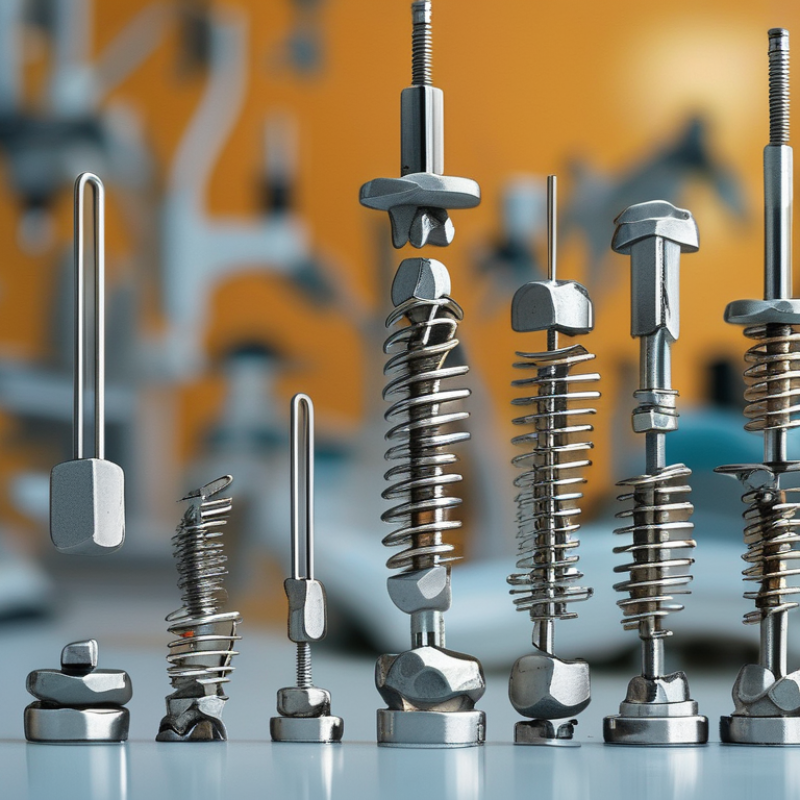
Overview of Orthopedic Implant Fixation Methods
Orthopedic implant fixation methods play a critical role in successful surgeries. These techniques stabilize implants for effective healing. According to the Global Orthopedic Devices Market report, the fixation methods market is growing rapidly, with an expected annual growth rate of 5.8% over the next five years. This trend highlights the urgency of understanding the diverse fixation options available.
Various fixation methods include plates and screws, intramedullary nails, and external fixators. Each approach offers unique advantages and limitations. For example, plates provide strong support but require careful placement to avoid complications. Intramedullary nails are less invasive and excel in certain fractures, yet might not be suitable for all cases. External fixators offer versatility but can lead to patient discomfort.
**Tip**: Always consider patient-specific factors when selecting a fixation method. Not all patients respond similarly to the same technique. Regular training and updates on the latest research can enhance the decision process for orthopedic surgeons. Being open to new methods can improve outcomes significantly.
Always review historical data when analyzing previous surgical results. Some fixation methods might yield better recovery times in specific demographics. Understanding these subtleties can make a difference in patient care.
Traditional Methods: Plates and Screws in Orthopedic Surgery
In orthopedic surgery, traditional fixation methods such as plates and screws have been the cornerstone for decades. These methods allow for stable fixation of fractures and osteotomies in various bones. Surgeons often use plates to align and stabilize bone fragments. The various types of plates, including dynamical compression plates and locking plates, each have unique applications based on the fracture type.
Screws play a critical role in enhancing the fixation provided by plates. They can be used independently or together with plates for optimal stability. The selection of screw types, such as cortical or cancellous screws, is crucial. This decision often hinges on the bone's density and the specific nature of the injury. Despite their effectiveness, these traditional methods come with limitations. They can lead to complications such as malunion or infection if not applied correctly.
Surgeons must meticulously plan each procedure and consider patient-specific factors. The anatomy of the injury, bone quality, and overall health can influence outcomes. The learning curve for these techniques is significant, and ongoing education is vital. There’s always room for improvement in surgical performance, emphasizing the need to revisit and reflect on techniques regularly. This ensures that patient safety and treatment efficacy remain top priorities in orthopedic care.
Modern Innovations: Intramedullary Nails and Their Advantages
Intramedullary nails have emerged as a leading fixation method in orthopedic surgery. These devices play a crucial role in the treatment of long bone fractures. Their design allows for placement within the bone's medullary cavity, resulting in superior stability. According to a study published in the Journal of Orthopedic Research, intramedullary nailing has shown a 90% success rate for femoral fractures. This high success rate underscores their effectiveness over other fixation methods.
One of the primary advantages of intramedullary nails is their ability to minimize soft tissue damage. Surgeons can perform minimally invasive procedures, reducing recovery times. The American Academy of Orthopedic Surgeons notes that patients who receive intramedullary nails often experience less postoperative pain. However, some challenges remain, such as the risk of malalignment and nonunion. This calls for careful planning and technique improvement to optimize patient outcomes.
Furthermore, recent innovations have led to enhanced designs that address previous limitations. New materials and coatings reduce the risk of infection and improve biocompatibility. A comprehensive review in the British Journal of Surgery highlighted that ongoing research continues to enhance the profile of intramedullary nails. Despite the advantages, ongoing training for surgeons is essential to ensure these innovations are effectively implemented. The quest for improvement in fixation methods remains vital for advancing orthopedic care.
Top 10 Orthopedic Implant Fixation Methods
Minimally Invasive Techniques: The Role of Bio-absorbable Implants
Minimally invasive techniques in orthopedic surgery have gained popularity due to their multiple benefits. One significant advancement is the use of bio-absorbable implants. These implants gradually dissolve in the body, eliminating the need for a second surgery to remove hardware. Patients often experience less pain and a quicker recovery.
When considering bio-absorbable implants, it's important to understand their limitations. Not all patients may be suitable candidates for these innovations. Some may experience complications, requiring additional interventions. It's crucial to discuss all options with your orthopedic surgeon.
Tips: Always ask about the latest techniques and materials available. Research shows that patient engagement can improve outcomes. Keeping an open dialogue with your healthcare provider ensures the best individual care. It's essential to stay informed about your options for optimal recovery and rehabilitation.
Future Trends in Orthopedic Fixation: Smart Implants and Beyond
In the ever-evolving field of orthopedics, smart implants are gaining attention. These devices utilize advanced technology, such as sensors and wireless communication. They allow real-time monitoring of patient recovery. For instance, an implant might track load on a bone, providing data to physicians. This innovation can help identify complications early on.
However, with these advancements come challenges. The integration of smart technology may result in higher costs. Not every patient may have access to these cutting-edge devices. Issues regarding data privacy also arise. Questions about who has access to patient data need careful consideration. Furthermore, not all surgeons are familiar with these new technologies.
Patient education is crucial as well. Patients should understand the benefits and potential risks of smart implants. Proper guidance can lead to better outcomes and adherence to treatment. As the field advances, collaboration between engineers and medical professionals will be essential. This partnership can drive the next generation of orthopedic fixation methods. It’s a complex journey, but one that holds promise for improving patient care.