Preparing for knee replacement surgery can feel overwhelming. It’s a significant step toward improved mobility and pain reduction. Dr. Emily Thompson, an orthopedic surgeon with over fifteen years of experience, emphasizes, "Success in recovery begins long before the surgery itself." Her insight captures the essence of preparation.
Understanding the process is crucial. Patients need to prepare both mentally and physically. Engaging in pre-surgery exercises strengthens the muscles around the knee, promoting a smoother recovery. However, many patients underestimate this aspect. It's easy to overlook the small daily habits that contribute to overall health.
Additionally, having a support system is essential. Friends and family play an integral role in recovery. Yet, some may feel hesitant to lean on others for help. Acknowledging this need for support can be a turning point in the journey. Preparing adequately can make a world of difference. Aim to be proactive. The more effort you invest now, the better your outcomes will be after knee replacement surgery.

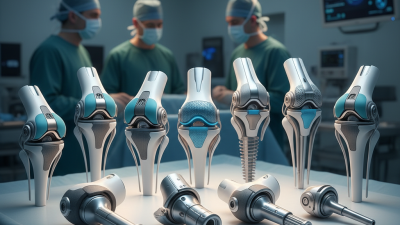
Knee replacement surgery is a significant procedure for those suffering from chronic knee pain. According to the American Academy of Orthopaedic Surgeons, over 700,000 knee replacements are performed annually in the United States. This number continues to rise due to the increasing prevalence of arthritis and the aging population. The surgery involves removing damaged cartilage and bone, then replacing it with artificial components. Understanding this process is vital for patients contemplating surgery.
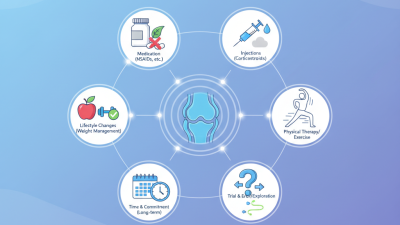
Recovery can vary widely among individuals. Many patients see improvements, yet not everyone experiences relief. Some studies indicate that up to 20% of recipients have ongoing pain post-surgery. This highlights the importance of realistic expectations and thorough pre-surgical discussions with healthcare providers. Patients must be well-informed about potential outcomes and the lengthy rehabilitation process. Engaging in pre-operative exercises can help, but there’s no one-size-fits-all approach.
Preparation is more than physical; it's also mental. Addressing worries and uncertainties can affect recovery. Support from family and friends plays a crucial role. Facilitating a positive mindset can lead to better outcomes. Though knee replacement can significantly enhance quality of life, being aware of its complexities fosters a more informed and reflective perspective.
Preparing for knee replacement surgery can be daunting. Consulting with your healthcare team is a crucial step. Asking the right questions helps you gain clarity and confidence. Start with understanding the procedure itself. What does the surgery involve? How long will it take? Knowing what to expect can reduce anxiety.
Discuss your recovery journey as well. How long will it be before you can walk again? What kind of physical therapy will you need? These details matter. You should also consider asking about potential risks and complications. It's important to weigh the benefits against these possibilities.
Don't hesitate to express your fears. A good healthcare team will validate your concerns and offer reassurance. Share your lifestyle needs, too. This information may influence post-surgery recommendations. Each person's situation is unique. Open dialogue fosters a stronger partnership with your medical team. Such communication enhances your preparation for a successful surgery.
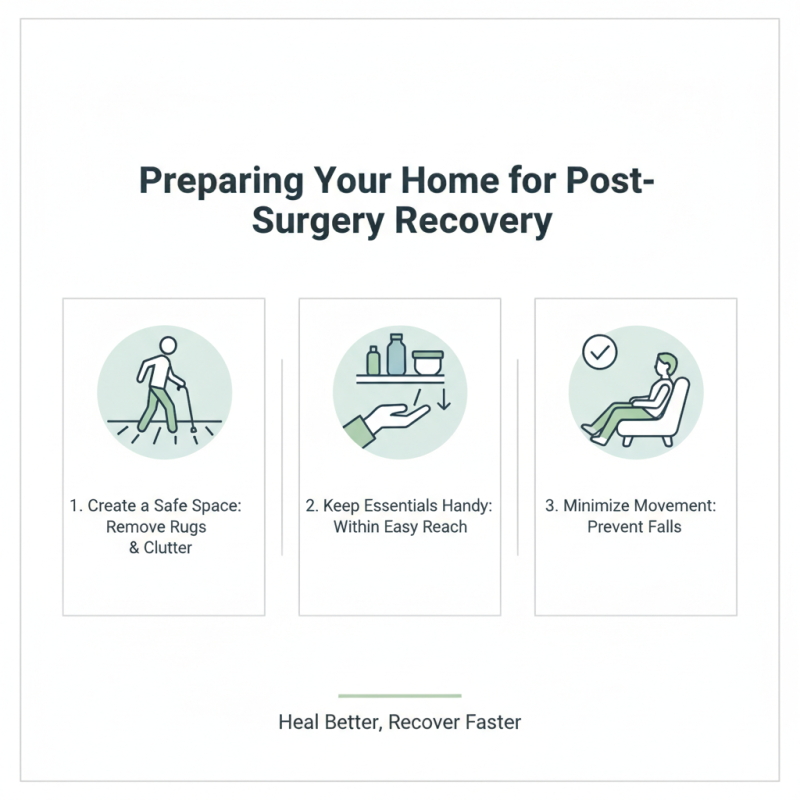
Preparing your home for post-surgery recovery can make a significant difference in your healing process. Start by creating a safe space. Remove loose rugs and clutter to prevent falls. Keep frequently used items within easy reach. This can help avoid unnecessary movements.
Consider arranging your furniture. You may need to use crutches or a walker. Ensure clear pathways through your home. Buy some comfortable seating options to help with prolonged periods of recovery. Think about how you will get to the bathroom. A bedside commode might be necessary initially.
While it's easy to focus on the physical setup, emotional readiness is essential too. Make sure your space feels welcoming. Add personal touches like photos or favorite books. A positive environment enhances mood and aids recovery. Reflect on what relaxation means to you and make accommodations for that, too.
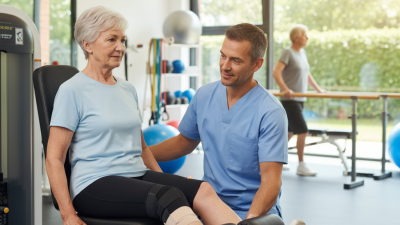
Preparing for knee replacement surgery involves significant physical preparation. Engaging in exercises tailored to strengthen key muscle groups is crucial. According to recent studies, patients who participate in prehabilitation programs experience faster recovery times. These programs often include resistance training and range-of-motion exercises.
Mobility training is equally vital. Incorporating simple activities, such as walking or stationary cycling, can enhance overall endurance. Research indicates that patients practicing mobility work before surgery report less postoperative pain. It is essential to start gradually, paying attention to how your body responds.
While these exercises yield benefits, they can be challenging. Some may feel frustrated when progress slows. It’s common to struggle with consistency or to feel discomfort during exercises. Acknowledging these feelings is important; reflecting on them can help in adjusting practices and expectations.
Planning for post-operative support after knee replacement surgery is essential for recovery. Start by assessing your living environment. Ensure that your home is free of obstacles like loose rugs or clutter. This will minimize the risk of falls and allow easier movement with crutches or a walker. Consider installing grab bars in your bathroom to aid stability.
Engage your family and friends early in the planning process. Discuss your care needs and set realistic expectations for their role. Some may need to assist with meals, medications, or transportation. Remember, it’s okay to ask for help. Relationships can deepen through shared experiences, even if they include moments of frustration.
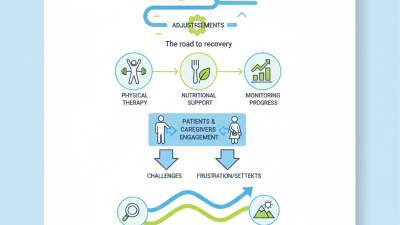
Create a schedule for medication and physical therapy. Consistency is key in your recovery process. Track your progress, but don’t be discouraged if there are setbacks. Recovery can be nonlinear, with good days and challenging ones. Reflect on your progress regularly and adjust your care plan as needed. This adaptability will support a smoother journey towards improved mobility.
Copyright © 2021 United Orthopedic Corporation All Rights Reserved.
Necessary cookies are absolutely essential for the website to function properly. This category only includes cookies that ensures basic functionalities and security features of the website. These cookies do not store any personal information.
Any cookies that may not be particularly necessary for the website to function and is used specifically to collect user personal data via analytics, ads, other embedded contents are termed as non-necessary cookies. It is mandatory to procure user consent prior to running these cookies on your website.