Joint stability is not a single product or treatment. It depends on the affected joint, the cause of instability, and the movements a person needs each day. A knee that buckles on stairs calls for a different assessment than a shoulder that slips during overhead work. That distinction matters.
In China, useful joint stability solutions may include supervised strengthening, balance training, activity adjustments, and a properly fitted brace. For some people, rehabilitation helps improve control around the joint; for others, an orthopedist may need to investigate a ligament, tendon, or bone injury. Exercises should reflect pain, swelling, age, and diagnosis, rather than copy a generic online routine. Slow, controlled repetitions can reveal more than a heavy load. Not every brace fits.
This guide compares solution types and explains what to check before choosing a clinic, rehabilitation program, or support device. Look for qualified clinicians, a clear assessment, realistic goals, and follow-up that measures function—not just marketing promises. Ask whether a brace permits safe movement, fits under ordinary clothing, and can be adjusted if swelling changes. For products, check sizing, materials, instructions, and service availability; brand claims alone do not prove effectiveness. Evidence and access may differ between cities and care settings, so verify local options. There is no universal winner. The best choice may change as symptoms and strength change, and that uncertainty deserves honest discussion. Seek prompt clinical review after a major injury, severe swelling, deformity, or inability to bear weight. This article offers a practical framework, not a diagnosis or a substitute for personalized medical care.
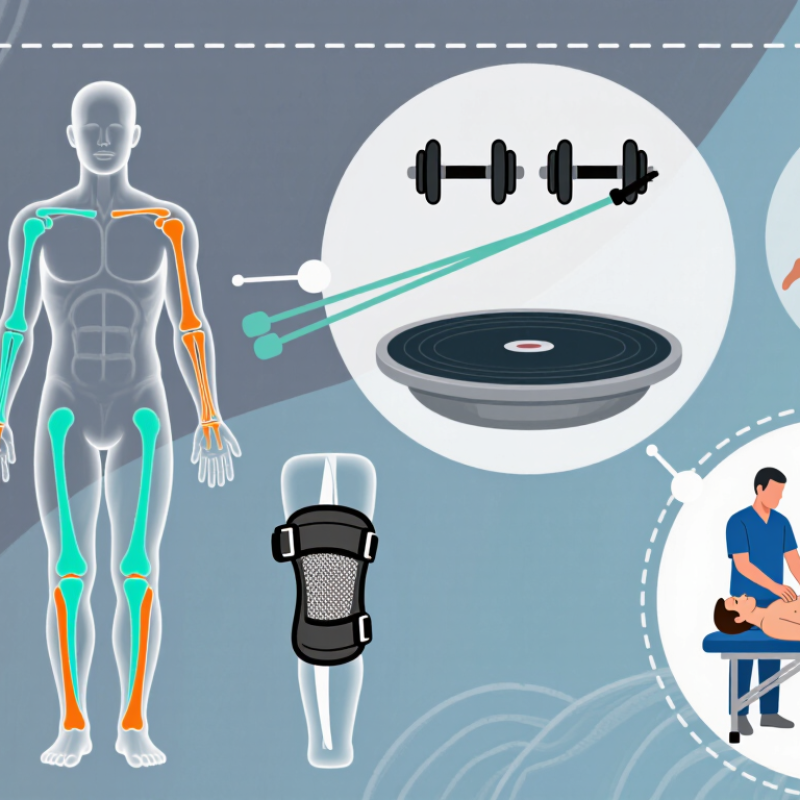
Joint stability is the ability of a joint to stay aligned and controlled during movement. It depends on more than strong muscles. Ligaments, tendons, joint shape, balance, and nervous system responses all contribute. When these factors work together, the knee can absorb force during a stair descent, and the shoulder can remain controlled while lifting a bag.
Stability matters in daily life and sport because poor control may increase strain or limit movement. It does not mean keeping a joint rigid. Healthy movement needs both support and flexibility. Small details matter. In China, people seeking help for recurring pain, swelling, or a feeling that a joint may give way can consult a qualified orthopaedic clinician or physiotherapist. Assessment may include movement checks, strength testing, and a review of injury history. Treatment can involve tailored strengthening, balance practice, activity adjustments, or further medical evaluation when needed. Pain is information. Still, pain alone cannot identify the cause, and exercises that help one person may not suit another. A gradual plan, adjusted to symptoms and function, is often more useful than pushing through discomfort. I have to admit, progress can feel uneven; a steadier step one week does not guarantee a straight path forward.
Understanding Joint Stability and Its Importance
The chart shows the principal movement axes used to classify common synovial joints: more axes allow more movement, but do not indicate greater stability. Joint stability programs are typically tailored to the joint and individual, using progressive strengthening and balance or proprioception exercises; a qualified clinician can guide exercise choice and progression. Axis counts are standard anatomical classifications, not treatment-effect measurements.
Joint instability describes a joint that moves more than expected or feels unable to support everyday activity. Causes vary. A sprain may stretch or tear ligaments, while repeated strain can reduce support from nearby tissues. Weak muscles, poor coordination, previous injury, or naturally flexible joints may also contribute. Arthritis and some nerve conditions can affect joint control. It can feel unpredictable.
Assessment usually starts with questions about pain, swelling, past injuries, and when the joint gives way. A clinician may observe walking, bending, or reaching, then check range of motion, strength, balance, and tenderness. Comparing both sides can reveal useful differences. Small details matter. No single movement test tells the whole story, and symptoms may change with fatigue or activity. Imaging may be considered when an injury, persistent symptoms, or another condition needs closer evaluation. A careful assessment helps distinguish instability from pain-related hesitation and guides suitable next steps. For severe pain, major swelling, or inability to bear weight, seek prompt medical care.
For many people in China, joint stability care starts with an assessment of pain, swelling, movement, and daily activities. A clinician or physiotherapist can check strength, gait, and joint range before suggesting a plan. Conservative options may include guided exercise, activity changes, temporary bracing, and pain management recommended by a qualified professional. Targeted strengthening can improve muscle support, while balance training may help with control. Small steps matter. Access and follow-up vary by city and facility, so ask about a clear review plan.
Tips: Keep a simple record of pain, swelling, and activities that feel difficult. Note what changes after exercise. Use supportive footwear when it suits your needs, and follow professional advice about braces. Stop an exercise that causes sharp or worsening pain, and contact a healthcare professional.
Progress can be uneven. A short setback does not always mean the plan has failed, but it is worth discussing persistent symptoms or new swelling. Rest alone may not address the cause, and pushing through pain can also be unhelpful. The right approach depends on the joint, diagnosis, and health history. Revisit the plan with your care team as strength and everyday comfort change.
Joint instability care in China should begin with a clear diagnosis, not a “stronger joint” promise. An orthopaedic or sports-medicine clinician may assess swelling, range of motion, strength, and episodes of giving way. X-rays or MRI may help when an examination suggests a fracture, ligament damage, or another structural problem. Treatment depends on the cause and a person’s daily demands. For many mild or moderate cases, temporary bracing, activity changes, and supervised rehabilitation come before surgery. Surgery may be considered for major tears or repeated instability that limits function despite appropriate care. That distinction matters.
Rehabilitation should restore control gradually. A therapist might start with gentle movement and isometric contractions, then progress to balance drills, step-downs, and resistance exercises. For example, standing on one leg beside a stable counter can train balance without adding unnecessary risk. Pain, swelling, or buckling the next day may signal that the workload increased too quickly. Progress should be measured, not rushed. Patients can ask their care team who will monitor exercises and when reassessment is needed. Home programs are useful, but technique can drift; a printed plan may not fit every knee or shoulder. Rehab is not always linear.
| Solution | Most appropriate for | How it supports stability | Rehabilitation considerations | Important limitations |
|---|---|---|---|---|
| Structured physiotherapy | Mild or moderate instability, early-stage recovery, or as part of care before and after a procedure. | Builds muscle strength, balance, joint-position awareness, and movement control to improve dynamic support. | Usually progresses from pain and swelling management to range of motion, strengthening, balance, and task-specific training. A clinician should tailor exercises to the joint and diagnosis. | May not restore stability when a major ligament is completely torn or the joint has substantial structural damage. |
| Activity modification and short-term bracing | Some sprains, temporary symptoms, or activities that provoke giving-way while assessment and rehabilitation are underway. | Limits or guides movement and can provide external support during selected tasks. | Use should follow clinical advice; brace fit, duration, and permitted activity depend on the injury and joint. | Does not repair a torn ligament or replace strengthening and movement retraining. Prolonged or inappropriate use may restrict motion or reduce conditioning. |
| Ligament repair or reconstruction | Selected cases of persistent functional instability from a significant ligament injury, such as certain knee or ankle ligament injuries. | Repair reconnects suitable injured tissue; reconstruction uses a graft to restore a ligament’s stabilizing role. | Rehabilitation is staged and may include protected motion, progressive strengthening, balance work, and later sport- or activity-specific training. Return to demanding activity requires clinical clearance. | Not every tear needs surgery. Risks include infection, stiffness, blood clots, graft or repair failure, and ongoing symptoms; outcomes vary by injury and patient factors. |
| Shoulder stabilization procedure | Recurrent shoulder dislocation or symptomatic instability after examination and imaging identify the likely cause. | Depending on the anatomy, surgery may repair or tighten soft tissues or address relevant bone loss to reduce repeated slipping or dislocation. | Often involves a period of protected movement followed by gradual range-of-motion and strengthening exercises. The specific plan depends on the procedure performed. | Procedure choice depends on the pattern of instability, prior dislocations, tissue condition, and bone loss. Stiffness, recurrent instability, and other surgical complications are possible. |
| Corrective osteotomy | Selected alignment-related problems that place abnormal forces on a joint and contribute to instability or uneven loading. | Changes bone alignment to improve the way forces pass through the joint; it is not a ligament repair. | Bone healing must be monitored. Weight-bearing and strengthening progress according to the operation, imaging, and treating team’s instructions. | Appropriate only for carefully assessed cases. Healing problems, persistent pain, infection, or the need for further treatment can occur. |
| Joint replacement for advanced joint disease | Severe joint damage, commonly advanced arthritis, when non-surgical care has not provided adequate relief and the person is an appropriate candidate. | Replaces damaged joint surfaces and may improve pain and function; stability depends on the condition of surrounding tissues and the procedure. | Early supervised mobilization and progressive strengthening are commonly part of recovery. Walking aids and activity progression are individualized. | It is not usually a first-line treatment for isolated ligament instability. Infection, blood clots, dislocation in some joints, wear, and revision surgery are potential concerns. |
| Clinical note: There is no single “best” solution for every joint or patient. In China, available treatments and rehabilitation pathways vary by hospital and individual circumstances. Diagnosis by an appropriately qualified clinician, including examination and imaging when indicated, should guide care. This comparison is general information, not a substitute for medical advice. | ||||
Comparing joint stability solutions in China starts with the joint, the activity, and the level of support needed. A knee brace for long walks should be assessed differently from a wrist support used during repetitive work. Check how the device limits unwanted movement without blocking necessary motion. Fit matters. Ask whether sizing is based on clear measurements, and whether straps can be adjusted without digging into the skin. A support that looks sturdy on a product sheet may feel restrictive after an hour of use.
Compare materials, construction, and testing details rather than relying on broad claims. Look for stated load or durability test methods, clear care instructions, and consistent specifications across sizes. In China, suppliers may differ in documentation and quality-control practices, so request samples and inspect seams, hinges, and closures under realistic use. Also compare replacement parts, fitting guidance, and response times for service. These details affect daily reliability. If a device is intended for recovery or a diagnosed condition, involve a qualified clinician in the choice. Product descriptions cannot replace an individual assessment, and honestly, no single comparison score captures comfort over a full week.
Copyright © 2021 United Orthopedic Corporation All Rights Reserved.
Necessary cookies are absolutely essential for the website to function properly. This category only includes cookies that ensures basic functionalities and security features of the website. These cookies do not store any personal information.
Any cookies that may not be particularly necessary for the website to function and is used specifically to collect user personal data via analytics, ads, other embedded contents are termed as non-necessary cookies. It is mandatory to procure user consent prior to running these cookies on your website.