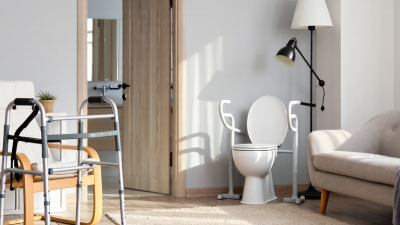
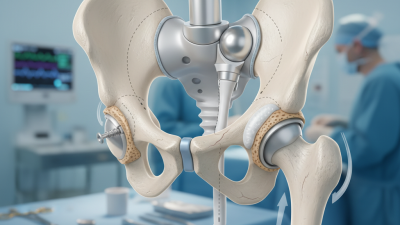
Joint stability solutions play an important role in sports protection, rehabilitation, workplace safety, and daily movement. In China, suppliers offer products ranging from elastic braces to adjustable supports and specialized orthopedic equipment. Their designs may target the knee, ankle, wrist, shoulder, or lower back.
This article examines China’s top 10 joint stability solutions suppliers through practical and professional criteria. Product quality, material selection, manufacturing experience, testing procedures, customization ability, and after-sales support all matter. We also consider whether suppliers provide clear sizing guidance, traceable production information, and reliable technical documentation. A supplier should explain how its products perform during movement, not only display attractive photographs.
That distinction matters.
Public certifications and factory profiles can strengthen credibility, but they do not replace independent evaluation. User comfort, stitching durability, skin contact, adjustability, and long-term support should receive equal attention. Real-world performance may differ between a clinic, a warehouse, and a competitive training environment. Buyers should therefore confirm intended use, compliance requirements, minimum order quantities, and sample availability before making decisions.
No ranking is flawless.
Supplier capabilities can change with new equipment, materials, or export markets. Some companies communicate technical details clearly, while others leave important questions unanswered. This guide recognizes that limitation and encourages careful verification. The goal is not to promote one universal choice. It is to help readers identify trustworthy partners and select joint stability solutions that match genuine user needs, measurable performance expectations, and responsible purchasing standards.
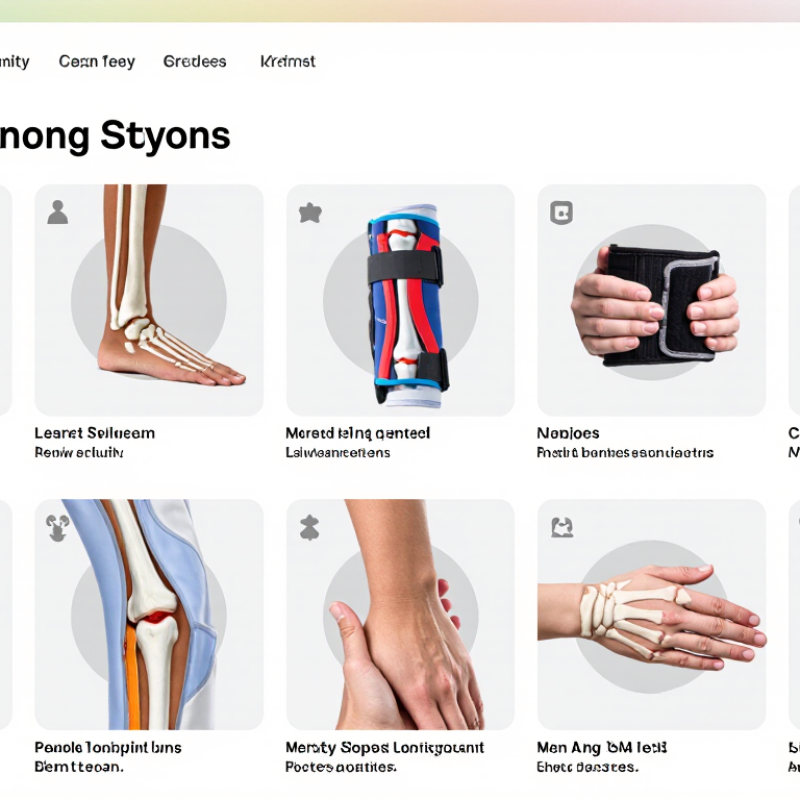
Joint stability solutions help control unwanted movement around vulnerable joints. They include braces, orthoses, compression supports, taping systems, and rehabilitation devices. These tools can guide motion while preserving useful flexibility. A rigid support may protect a healing knee, while a lighter sleeve may improve proprioception during daily activity.
The need is substantial. The World Health Organization reports that about 1.71 billion people live with musculoskeletal conditions worldwide. Joint instability can increase pain, reduce confidence, and change walking mechanics. Small alignment errors matter.
A loose ankle support, for example, may allow repeated rolling on uneven pavement. However, support alone rarely corrects weakness or poor movement habits. Clinical assessment remains essential.
Evidence is not perfectly consistent. A 2022 Cochrane review found that some brace interventions may reduce symptoms, but results vary by condition and patient. That uncertainty deserves attention.
Buyers evaluating Chinese suppliers should request material specifications, load testing, skin-contact safety records, and batch traceability. ISO-aligned quality systems are useful, but certification does not replace clinical evidence. Suppliers with experience in orthopedic manufacturing should also explain sizing accuracy, hinge durability, and cleaning limits. These details affect real-world performance more than attractive packaging.
China Top 10 Joint Stability Solutions Suppliers
How to Evaluate China’s Joint Stability Solutions Suppliers
Evaluating a joint stability supplier requires more than comparing unit prices. Check the supplier’s engineering experience, production capacity, and quality records. Ask for drawings, material certificates, and test reports linked to specific batches. Generic documents are not enough.
Request samples made with the same process as mass production. Measure fit, load resistance, movement, and surface wear under realistic conditions. A stable joint should perform consistently after repeated assembly and vibration. Review tolerance control, inspection equipment, and calibration dates. Small gaps can become serious failures.
Look closely at traceability. Can the supplier identify raw materials, operators, and inspection results? Can they explain corrective actions after a defect? Clear answers show stronger process ownership. An on-site or independent factory audit adds useful evidence, especially for large orders.
Communication also matters. Technical questions should receive precise replies, not sales language. Confirm lead times, packaging, replacement procedures, and engineering support in writing. Some suppliers offer impressive samples but weaker production consistency. That risk is easy to overlook.
Do not rely on one score.
A supplier may have excellent machining but poor documentation. Another may respond quickly yet lack testing depth. A balanced evaluation should include technical capability, quality assurance, delivery reliability, and long-term cooperation. Leave room for uncertainty. Recheck critical claims before signing a contract.
China’s top ten joint stability solutions suppliers should be judged by evidence, not catalog size. The strongest manufacturers usually provide braces, hinged supports, compression products, and rehabilitation equipment for knees, ankles, wrists, and shoulders. Look for documented quality systems, material traceability, product testing, and clear sizing data. An experienced supplier should explain hinge strength, strap tension, skin-contact materials, and cleaning limits without vague promises. ISO 13485 certification can support confidence, but it does not replace independent product evaluation. No shortlist is perfect.
In practical sourcing, request samples from all ten suppliers and test them during ordinary movement. Check whether a knee brace slips after stairs, whether stitching survives repeated bending, and whether labels remain readable after cleaning. Ask for lot records, inspection reports, and written replacement procedures. Clinical feedback matters too, although one user’s comfort cannot represent every patient. A polished website may still hide weak after-sales support. That part deserves more attention.
Tips: Compare at least three sample sizes. Measure joint circumference carefully. Confirm intended use with a qualified healthcare professional. Ask whether the supplier can customize materials, packaging, and compliance documents. Record performance after seven and thirty days. If the hinge pin loosens, the fabric irritates skin, or instructions seem unclear, pause the order and request corrections. Small details often reveal large quality differences.
China’s top ten joint stability solution suppliers are best assessed through products, technology, and clinical fit. Their portfolios commonly include ligament fixation systems, joint braces, external supports, surgical instruments, and rehabilitation equipment. Some suppliers also provide patient-specific components through digital imaging and computer-aided manufacturing.
Material selection matters. Titanium alloys offer strength with controlled weight, while medical polymers can improve comfort and flexibility. Adjustable braces may support unstable knees, shoulders, or ankles during rehabilitation. In operating rooms, suture anchors, interference screws, and fixation plates require accurate sizing and reliable sterilization processes. Small design details matter, such as smooth edges, secure locking threads, and clear instrument markings.
Real-world applications vary widely. Hospitals may use fixation devices for sports injuries, trauma care, or post-surgical recovery. Rehabilitation centers often need lightweight supports, replaceable straps, and simple fitting procedures. A dependable supplier should provide traceable quality records, ISO-certified manufacturing systems, material documentation, and responsive technical support. Product samples and factory audits remain valuable.
Not every large catalog signals expertise. Some suppliers offer impressive specifications but limited clinical evidence or inconsistent after-sales service. This is where buyers must remain cautious. Testing user comfort, checking batch consistency, and reviewing regulatory registration can expose hidden weaknesses. Performance also depends on surgeon training and patient compliance, not only product design. Supplier rankings should therefore remain practical, transparent, and open to revision.
The chart compares representative engineering targets for joint stability solutions used in major Chinese industrial applications. Lower values indicate tighter angular repeatability and backlash control. The figures are application-level reference benchmarks rather than company or brand performance data.
Choosing among China’s top joint stability solution suppliers requires more than comparing prices. The right supplier must understand your equipment, operating environment, and stability targets. Ask for technical drawings, material specifications, load ratings, and documented test results. A reliable supplier should explain how its joints perform under vibration, repeated movement, humidity, and temperature changes. Factory experience matters, but recent production evidence matters more.
Request samples before signing a large order. Check thread accuracy, surface finish, fit, and movement after repeated use. If possible, test samples under your real load conditions. Review quality procedures, inspection records, production capacity, and communication speed. Certifications can support trust, but they should match the actual product and market requirements. A low quotation may hide weaker materials or inconsistent tolerances. I have found that delivery promises are often less precise than technical specifications. That deserves attention.
Tips: Create a scoring sheet before contacting suppliers. Include quality, engineering support, lead time, warranty terms, customization, and total cost. Ask the same questions to every supplier. Compare evidence, not polished presentations. Keep a small reserve for tooling or design changes. No scoring model is perfect. Recheck your priorities after testing samples, because the cheapest option may create expensive installation problems later. A useful supplier should welcome technical questions, admit limitations, and provide clear corrective actions when results fall short.
| Profile | Core Joint Stability Solutions | Typical Applications | Indicative Load Capacity | Movement or Displacement Capability | Common Material Options | Relevant Standards | Customization Strength | Best-Fit Purchasing Requirement |
|---|---|---|---|---|---|---|---|---|
| Profile 01 | Bridge expansion joints and modular movement systems | Highway bridges, viaducts, urban overpasses | Traffic loads from passenger vehicles to heavy trucks; project-specific structural design required | Typically 80–320 mm total movement, depending on system configuration | Structural steel, stainless steel, elastomeric seals, reinforced concrete interfaces | EN 1337, EN 1993, ASTM A709, project highway specifications | High; anchorage, drainage, seals, and movement range can be engineered | Large bridge projects requiring long service life and controlled maintenance |
| Profile 02 | Laminated elastomeric bridge bearings | Small and medium-span bridges, building transfer structures | Approximately 0.5–15 MN per bearing, subject to geometry and rubber grade | Usually 10–50 mm horizontal movement with rotation accommodated through elastomer shear | Natural rubber, neoprene, steel laminations, corrosion-protected plates | EN 1337-3, AASHTO LRFD, ASTM D4014, ISO 22762 where applicable | Medium to high; dimensions and hardness are commonly project-specific | Cost-sensitive projects needing low-maintenance vertical support and flexibility |
| Profile 03 | Pot bearings and guided sliding bearings | Heavy bridges, railway bridges, elevated transport structures | Commonly 2–50 MN vertical reaction; larger units require engineered verification | Up to approximately 100–300 mm guided or free sliding movement | Machined steel, PTFE sliding surfaces, stainless steel, elastomeric seals | EN 1337-5, EN 1337-2, AASHTO bridge bearing provisions | High; load direction, friction, guides, and uplift restraint can be configured | Structures with high reactions, defined movement paths, and strict alignment control |
| Profile 04 | Spherical bearings and multidirectional movement supports | Long-span bridges, stadium roofs, industrial structures | Approximately 5–100 MN, depending on bearing diameter and design load | Rotational capacity commonly up to 0. rad; translation designed independently | Forged or machined steel, stainless steel, PTFE, engineered sliding composites | EN 1337-7, EN 1337-2, applicable structural steel standards | Very high; suitable for complex load combinations and multi-axis movement | High-load structures where rotation, translation, and friction must be precisely controlled |
| Profile 05 | Seismic isolation bearings and damping interfaces | Hospitals, public buildings, data centers, seismic-risk infrastructure | Typically 1–30 MN per unit, with project-specific seismic combinations | Design displacement often 100–400 mm; seismic analysis is mandatory | High-damping rubber, lead-core elastomer, steel plates, protective coatings | ISO 22762, EN 15129, ASCE 7, local seismic design codes | Very high; damping ratio, stiffness, displacement, and environmental resistance are configurable | Projects requiring verified seismic performance and full-scale testing documentation |
| Profile 06 | Building seismic and architectural movement joints | Commercial buildings, parking structures, hospitals, airports | Non-load-bearing or light-load systems; structural capacity depends on substrate and profile | Commonly 25–150 mm movement in floor, wall, and ceiling assemblies | Aluminum, stainless steel, EPDM, silicone, neoprene, fire-rated compounds | ASTM E1966, UL 2079, EN 1366-4, local fire and building codes | High; finishes, fire rating, waterproofing, and movement width can be integrated | Building projects combining structural movement control with fire, waterproofing, and aesthetic needs |
| Profile 07 | Rubber expansion joints for piping and process equipment | Water treatment, HVAC, chemical processing, power facilities | Pressure ratings commonly 1.0–2.5 MPa, depending on diameter and elastomer | Axial movement often 5–25 mm; lateral movement and angular offset are size-dependent | EPDM, NBR, neoprene, butyl, PTFE-lined rubber, carbon steel flanges | ISO 9393, EJMA guidance, ASTM D2000, ASME B16.5 flange interfaces | High; media compatibility, flange drilling, length, and reinforcement can be selected | Piping systems needing vibration isolation, thermal movement absorption, and noise reduction |
| Profile 08 | Metal bellows expansion joints and flexible connectors | Steam lines, exhaust systems, chemical and petrochemical plants | Pressure and temperature capability depend on bellows geometry, material, and cycle life | Axial movement commonly 10–100 mm; lateral and angular movement require engineered designs | Stainless steel, nickel alloys, carbon steel, braided wire reinforcement | EJMA, ASME Section VIII principles, EN 14917, applicable piping codes | Very high; cycle life, pressure, temperature, guides, and liners require detailed engineering | Thermal piping systems where fatigue life and media resistance are more important than lowest price |
| Profile 09 | Flexible couplings and torsional joint protection systems | Pumps, compressors, motors, gearboxes, marine and industrial drives | Torque ratings commonly 0.1–5,000 kN·m across different coupling designs | Angular misalignment often 0.5–4 degrees; axial and radial limits depend on design | Steel, cast iron, polyurethane, nitrile rubber, composite elements | ISO 14691, API 671 where applicable, DIN and manufacturer torque standards | Medium to high; bore sizes, keyways, braking elements, and elastomer hardness can vary | Rotating equipment requiring vibration control, shaft misalignment compensation, and overload protection |
| Profile 10 | Rail, industrial-floor, and heavy-duty structural joint systems | Rail platforms, warehouses, factories, loading bays, crane tracks | Load capacity ranges from pedestrian and forklift traffic to heavy rail or crane wheel loads | Commonly 20–100 mm, with vibration and impact resistance determined by the profile | Galvanized steel, stainless steel, aluminum, polyurethane, EPDM, neoprene | EN 1993, EN 13814 where relevant, ASTM E1966, project rail and flooring standards | High; surface finish, drainage, fire rating, load class, and traffic conditions can be matched | Industrial or transport facilities needing durable joints under repeated impact, traffic, and contamination |
Note: Capacity and movement figures are indicative engineering ranges rather than supplier-specific guarantees. Final selection should be based on verified calculations, environmental conditions, fatigue requirements, applicable codes, inspection records, and project drawings.
Copyright © 2021 United Orthopedic Corporation All Rights Reserved.
Necessary cookies are absolutely essential for the website to function properly. This category only includes cookies that ensures basic functionalities and security features of the website. These cookies do not store any personal information.
Any cookies that may not be particularly necessary for the website to function and is used specifically to collect user personal data via analytics, ads, other embedded contents are termed as non-necessary cookies. It is mandatory to procure user consent prior to running these cookies on your website.