10 Essential Tips for a Successful Orthopedic Joint Replacement
Orthopedic joint replacement has become a common procedure for restoring mobility and relieving pain. Dr. Emily Chen, a renowned orthopedic surgeon, emphasizes the importance of preparation. She once remarked, "Successful orthopedic joint replacement begins long before the surgery." This statement reflects the crucial steps required to achieve optimal outcomes.
Patients often underestimate the process. Understanding the full scope of surgery can be overwhelming. Knowledge about the procedure helps mitigate fear. Engaging with healthcare professionals fosters trust and assurance. Each patient's journey is unique, demanding tailored approaches to care. Active participation is critical for recovery.
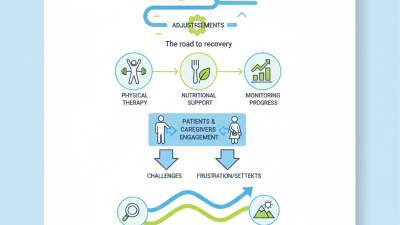
Recovery from orthopedic joint replacement poses challenges. Post-surgery, patients must commit to rehabilitation. Keeping realistic expectations is vital. Tracking progress may reveal frustrating moments. However, celebrating small victories can boost morale. As with any surgery, reflection on these experiences is essential for personal growth and healing.

Understanding Orthopedic Joint Replacement: An Overview
Understanding orthopedic joint replacement is crucial for patients considering this procedure. This surgery aims to alleviate pain and restore function in damaged joints. According to the American Academy of Orthopaedic Surgeons, about 1 million knee and hip replacements are performed annually in the United States alone. It’s essential to know the details before undergoing surgery.
One tip is to engage in pre-operative exercises. These exercises can strengthen the muscles around the joint. Research shows that prehabilitation can aid recovery speed. The right physical therapy plan is crucial. Additionally, patient education plays a significant role. Understanding the risks and benefits can help mitigate anxiety and improve outcomes.
Post-surgery, follow your surgeon’s instructions closely. The first few weeks are vital for recovery. Regular check-ups ensure everything is healing correctly. Data indicates that adhering to rehabilitation protocols significantly impacts long-term joint function. Remember, healing isn’t linear. Some days will be easier than others. Resilience and patience are key components of the process.
Criteria for Determining the Need for Joint Replacement Surgery
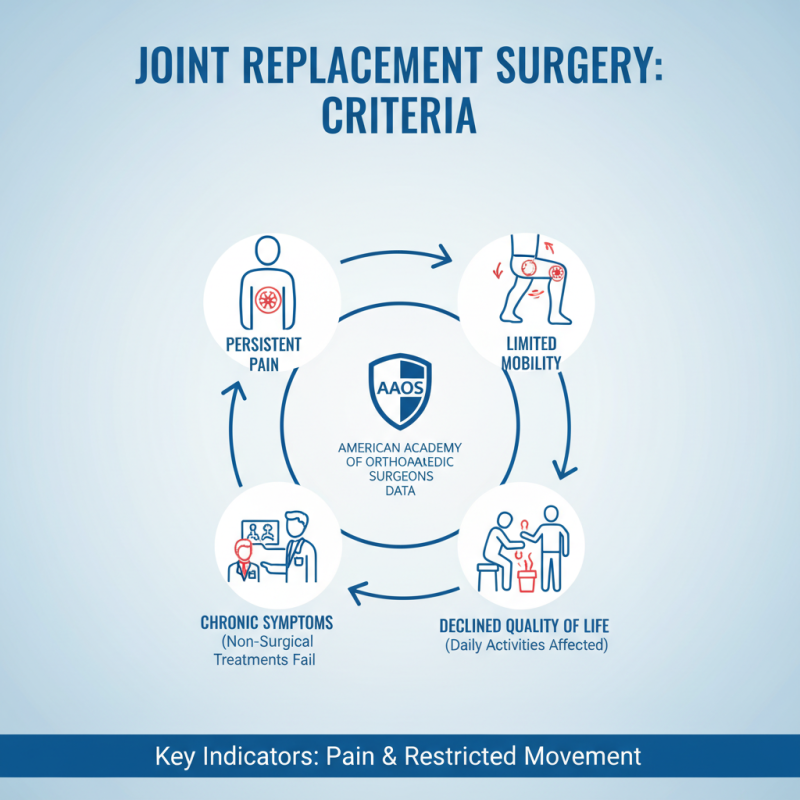
Deciding on joint replacement surgery can be complex. It's crucial to understand the precise criteria that indicate this need. According to data from the American Academy of Orthopaedic Surgeons, persistent pain and limited mobility are the most common indicators. Patients often report that chronic pain affects their daily activities, leading to a significant decline in quality of life.
A study in the Journal of Orthopedic Research notes that about 1 in 5 adults over 50 experiences severe joint pain. When conservative treatments like physical therapy and medications fail, patients may consider surgery. Age also plays a role. Those over 60 are more likely to require replacements. However, younger patients may face different challenges. They may want to postpone surgery to avoid the need for future procedures.
It's essential to evaluate joint function thoroughly. Factors such as swelling, stiffness, and the ability to perform daily tasks are critical. Discussions with healthcare providers should focus on realistic outcomes and potential risks. Some patients may find that surgery doesn't completely eliminate their pain or restore full function. Realizing this can lead to a more informed and reflective decision-making process.
Preoperative Preparation: Key Steps for Patients
Preparing for orthopedic joint replacement is crucial. Research shows that proper preoperative preparation can lead to better outcomes. Patients should focus on key steps that enhance recovery.
Firstly, physical therapy is often recommended. A study found that patients participating in prehabilitation improve their strength and mobility by 20-30%. This proactive approach helps pave the way for post-surgery success. Patients are encouraged to engage in low-impact exercises. These can include cycling or swimming.
Secondly, understanding the surgical process is essential. Many patients feel anxious due to uncertainty. Relaxation techniques, such as deep breathing, can help manage this stress. Researchers emphasize that informed patients typically have better results. Communication with healthcare providers is vital. It allows patients to voice concerns and ask questions.
Diet also plays a significant role. Nutritional studies suggest that protein intake may aid in recovery. Patients should aim for a balanced diet leading up to surgery. Supplements may be beneficial, but patients need to consult their doctors.
This phase is an opportunity for reflection and commitment to health. Identifying personal goals can foster a positive mindset. Engaging in these preparatory steps may lead to a smoother recovery journey.
Postoperative Care: Rehabilitation and Recovery Essentials
Postoperative care is crucial after orthopedic joint replacement. Rehabilitation programs are designed to expedite healing. A 2020 study published in the Journal of Orthopedic Research found that early mobilization can reduce hospital stay by up to 20%. Patients are encouraged to start moving within days after surgery. This early action aids in blood circulation and reduces the risk of complications.
Physical therapy plays an essential role in recovery. A comprehensive rehabilitation plan typically lasts 6 to 12 weeks. This plan includes strength training, flexibility exercises, and gait training. Studies show that regular sessions can enhance recovery outcomes by 35%. Patients often need to confront challenges. Pain management and mobility issues can test patience. Incorporating mental health support into recovery has proven beneficial. Proper emotional and psychological guidance can uplight outcomes.
Nutrition is also vital. A balanced diet supports tissue healing and overall recovery. Research has indicated that protein intake increases recovery speed. However, many patients overlook dietary adjustments during this time. Small changes can lead to significant improvements. Addressing these factors leads to better surgical outcomes and patient satisfaction. Fostering a proactive mindset is essential in this journey.
10 Essential Tips for a Successful Orthopedic Joint Replacement - Postoperative Care: Rehabilitation and Recovery Essentials
| Tip Number |
Tip |
Description |
Timing |
| 1 |
Follow Care Instructions |
Adhere to the doctor’s guidelines for taking medication and wound care. |
Immediately after surgery |
| 2 |
Start Physical Therapy |
Engage in guided exercises to improve mobility and strength. |
1-2 days post-surgery |
| 3 |
Manage Pain Effectively |
Use prescribed pain relief options to stay comfortable during recovery. |
As required |
| 4 |
Stay Active |
Incorporate light activity based on your comfort level and advice from your therapist. |
Ongoing |
| 5 |
Maintain a Healthy Diet |
Eat nutrient-rich foods to support healing and recovery. |
Throughout recovery |
| 6 |
Attend Follow-Up Appointments |
Keep all scheduled appointments to monitor progress and address issues. |
As scheduled |
| 7 |
Use Assistive Devices |
Utilize crutches, walkers, or braces as recommended to aid mobility. |
During initial recovery |
| 8 |
Monitor Symptoms |
Be aware of any unusual symptoms such as swelling or fever. |
Ongoing |
| 9 |
Get Enough Rest |
Prioritize sleep and rest periods to aid recovery. |
Throughout recovery |
| 10 |
Stay Positive |
Maintain a positive attitude and seek support from friends and family. |
Ongoing |
Potential Risks and Complications of Joint Replacement Surgery
Joint replacement surgery offers significant benefits, yet it’s important to recognize potential risks. According to the American Academy of Orthopaedic Surgeons, complications can occur in 1% to 2% of cases. Infection is a major concern. Infections can develop at the surgical site or in the joint itself. Studies indicate that about 2% of patients experience infections that require further treatment.
Blood clots are another serious risk. Deep vein thrombosis (DVT) can develop after surgery. The North American Journal of Medical Sciences reported that DVT occurs in approximately 20% of patients if not properly managed. Patients may require anticoagulants to reduce this risk. Additionally, adverse reactions to anesthesia can occur in some individuals, leading to further complications.
In some cases, the replacement joint may not function as intended. The need for revision surgery could arise in 5% to 10% of patients, according to recent data. This may be due to factors like prosthetic loosening or wear. Open discussions with healthcare providers about these risks are crucial for informed decision-making. Understanding both the benefits and drawbacks of surgery is essential for patients considering joint replacement.