China Top 10 Joint Stability Solutions Suppliers?

Choosing among China’s leading joint stability solutions suppliers takes more than comparing product photos or catalog prices. Buyers may be sourcing braces, supports, or related products for clinical, sports, or consumer markets. The right supplier depends on intended use, fit requirements, materials, production capacity, and quality controls. Details matter. A well-finished seam, clear sizing chart, and consistent fastening system can affect comfort and everyday use.

This overview introduces ten suppliers for closer evaluation, rather than treating a list position as proof of quality. Compare each company’s product range, manufacturing experience, customization options, inspection procedures, and responsiveness to technical questions. Ask for current specifications and sample products where appropriate. Check certifications and test reports directly, and confirm that they apply to the exact product and market under consideration. These checks help separate documented capabilities from broad marketing claims. Still, no supplier profile can replace independent due diligence. Product suitability varies, and public information may be incomplete or outdated. A useful shortlist should make those limits visible, not hide them. By examining practical evidence alongside service and delivery terms, buyers can identify potential partners with a clearer view of the risks and trade-offs.
China Top 10 Joint Stability Solutions Suppliers?

What Are Joint Stability Solutions?

Joint stability solutions are products and care methods designed to help a joint stay aligned and resist unwanted movement. They may include braces, supports, orthoses, taping, and guided rehabilitation. In some cases, clinicians consider surgical procedures; these are not interchangeable with external supports. A hinged knee brace, for example, can limit side-to-side motion while allowing bending. Small detail. The right choice depends on the joint, the cause of instability, activity level, and clinical assessment.

The term is not perfectly standardized. A “stability solution” may describe a device, a treatment plan, or both, so buyers should check what a supplier actually provides. The WHO’s 2022 musculoskeletal conditions fact sheet estimates that 1.71 billion people worldwide live with musculoskeletal conditions. This figure is not a count of joint instability, but it shows the broad health context. A brace may offer support on stairs or uneven ground, yet poor fit can cause pressure or restrict movement. Fit matters. Stability products can assist function, but they do not diagnose the cause or guarantee recovery; an experienced clinician should guide selection and follow-up.

Key Technologies and Product Categories in Joint Stability

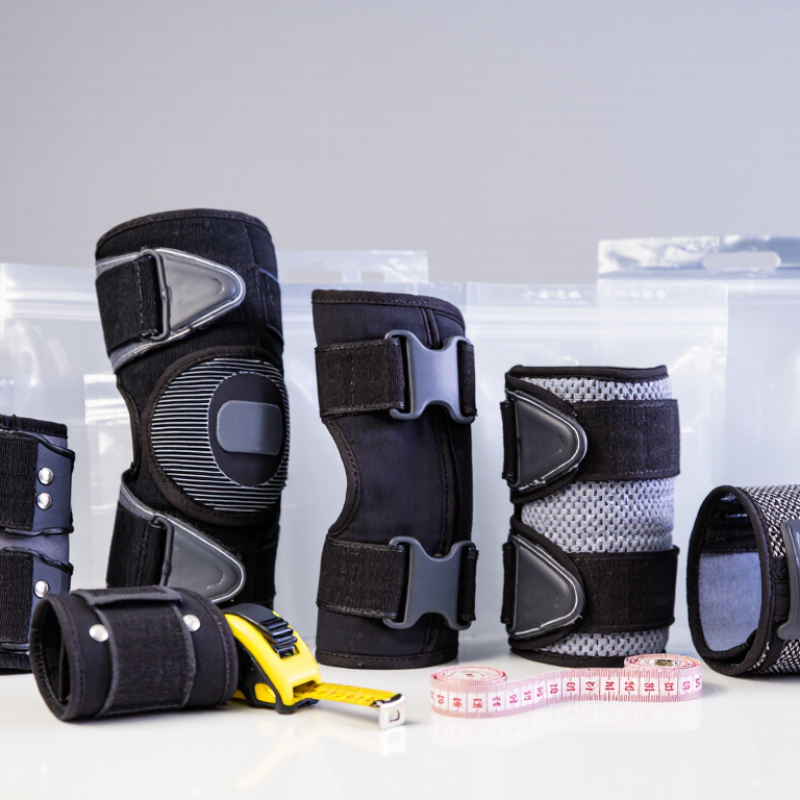
Joint stability solutions include compression sleeves, soft supports, hinged braces, and rigid orthoses. Each serves a different level of support. Sleeves provide compression and may improve awareness of joint position during movement. They do not replace mechanical restraint. Hinged braces use side supports to limit unwanted motion while allowing flexion and extension. Rigid designs can offer firmer control, but may restrict comfort and daily activity.

Materials shape performance. Breathable knits help manage heat, while silicone grippers can reduce slipping around the limb. Adjustable straps let users fine-tune pressure, though excessive tightening can cause discomfort or skin marks. Fit matters. A brace must match the joint, activity, and user’s measurements.

Product evaluation should consider hinge durability, seam strength, washability, sizing consistency, and clear fitting instructions. For example, a knee brace used during walking faces different demands from a wrist support worn during repetitive work.

Not always obvious. Stability products can support movement, but they cannot correct every underlying problem. Fit and clinical guidance still matter.

Applications of Joint Stability Solutions Across Industries

Joint stability solutions support controlled movement in healthcare, sports, manufacturing, logistics, and construction. They include braces, orthoses, compression supports, and adjustable workplace aids. In clinics, therapists use them to limit unwanted motion during rehabilitation. In warehouses, knee and wrist supports may ease repetitive tasks, but fit and training matter. A device that restricts too much can create new discomfort. The World Health Organization’s 2022 musculoskeletal health report estimates that 1.71 billion people live with musculoskeletal conditions worldwide. That burden makes practical, well-fitted support relevant across many settings.

Industrial use requires a different assessment. A warehouse worker lifting cartons needs mobility and grip; a construction worker may need stable footing on uneven ground. Supports should match the task, body size, shift length, and existing safety procedures. The International Labour Organization and WHO estimated 395 million non-fatal work injuries in 2023. This figure covers many injury types, not just joint problems, so it should not be treated as proof that supports prevent injuries. Small details count. Pressure points do, too. Employers and clinicians should review comfort, movement, and task performance over time. Real-world fit can be imperfect, and workers may stop using equipment that feels cumbersome.

China Top 10 Joint Stability Solutions Suppliers? - Applications of Joint Stability Solutions Across Industries

Application overview of ten supplier solution categories relevant to joint stabilization. The entries are not a ranked list and do not identify individual companies or brands. Product selection and clinical use should be based on the user’s needs and qualified professional advice.

Industry or User Group Solution Supplier Category Typical Application Stabilization Approach Practical Evaluation
Orthopedic care Knee orthosis and brace manufacturers Support for selected knee conditions or recovery plans when prescribed or recommended by a healthcare professional. Hinges, straps, and shaped supports can help limit or guide movement, depending on the brace design. Fit, comfort, skin condition, range of motion, and clinician guidance.
Sports medicine Sports brace and protective-support manufacturers External support for joints during training or sport, including the ankle, knee, and wrist. Compression, adjustable straps, or semi-rigid elements provide support while allowing varying degrees of movement. Sport-specific fit, movement needs, comfort, and safe return-to-activity guidance.
Rehabilitation Rehabilitation orthosis suppliers Joint support used as part of a rehabilitation plan after injury, surgery, or reduced mobility. Adjustable designs may support positioning or controlled movement as directed by the treating professional. Prescribed movement limits, fit changes, wear schedule, and progress reviews.
Workplace safety Occupational support and ergonomic-equipment suppliers Support products for workers whose tasks involve repetitive movement, prolonged standing, or physical exertion. Wearable supports may provide compression or external support; they do not replace safe work practices or ergonomic controls. Task suitability, mobility, comfort, and workplace risk-assessment requirements.
Footwear and mobility Ankle-foot orthosis and supportive-footwear suppliers Support for ankle and foot alignment or stability during walking, when appropriate to the individual’s needs. Orthoses and footwear features can support the foot and ankle and influence how the limb is positioned during gait. Gait assessment, footwear compatibility, pressure points, and professional fitting.
Hand therapy Wrist, hand, and finger orthosis suppliers Support or positioning of the wrist, hand, or fingers during daily activities or a therapy program. Splints and braces can restrict selected movements or maintain a prescribed position. Correct positioning, dexterity needs, skin checks, and therapist instructions.
Post-operative care Post-surgical brace and immobilizer suppliers Joint protection or movement control during recovery when specified by the surgical care team. Immobilizers or adjustable braces can restrict movement to the degree allowed by the care plan. Surgeon’s instructions, adjustment settings, wound access, and follow-up schedule.
Long-term joint support Custom orthosis and clinical-fitting providers Personalized support for users whose anatomy, activity, or fit requirements call for an individually selected device. Device shape, support points, and fastening can be tailored to the assessment and intended use. Professional assessment, fit review, comfort, and device maintenance.
Active aging and daily mobility Consumer mobility-support product suppliers Everyday support for activities such as walking or household tasks, where a suitable support has been selected. Elastic or structured supports may provide external compression or support during movement. Ease of use, stable fit, circulation and skin comfort, and advice when symptoms persist.
Clinical equipment and care services Orthotic assessment, fitting, and maintenance providers Assessment and ongoing fitting support for joint-stabilizing devices used in clinical or community care. Device selection, adjustment, and follow-up help align the support with the user’s functional needs. Qualified assessment, documented instructions, fit checks, and a clear follow-up plan.

Criteria for Evaluating Joint Stability Solution Suppliers

China Top 10 Joint Stability Solutions Suppliers?

Criteria for Evaluating Joint Stability Solution Suppliers

Compare suppliers on measurable performance, not catalog language. The WHO’s 2022 Musculoskeletal Conditions fact sheet estimates that 1.71 billion people live with musculoskeletal conditions worldwide. This broad burden highlights the need for dependable products, but it does not prove that one brace suits every user. Ask suppliers for material specifications, sizing tolerances, load or fatigue test methods, and test results tied to the exact product model. Fit matters. Check whether straps, hinges, and seams remain secure after repeated use. One gap worth probing: wash-cycle performance is often missing from public product information.

Review quality controls and documentation, too. Request traceability records, complaint-handling procedures, and evidence that production batches are checked consistently. ISO 13485 certification can support a quality-system review, but it is not proof that a product performs well in every setting. Ask for applicable test reports and clear instructions for use; confirm that claims match the evidence supplied. For export orders, verify the destination market’s relevant requirements rather than relying on a generic compliance statement. Compare sample quality, lead times, minimum order quantities, and replacement-part availability. A low quote can hide costly delays. Supplier evaluation is not perfectly tidy: published data may be incomplete, so record what remains unverified before comparing offers.

Profiles of 10 Joint Stability Solution Suppliers in China

A practical profile of ten joint stability solution suppliers in China should compare capabilities, not rely on broad claims. The suppliers may specialize in hinged knee braces, ankle supports, compression sleeves, wrist stabilizers, adjustable straps, or custom-fit products. Others may focus on breathable fabrics, reinforced stitching, size options, or private-label production. These differences matter. A clinic may need consistent sizing, while a sports retailer may prioritize lightweight materials and clear care instructions.

When reviewing each supplier, check product specifications, material details, sample quality, production capacity, and quality-control procedures. Ask how measurements are tested and whether products are evaluated for fit during movement. Request current documentation where relevant, and verify claims independently. A product photo cannot show seam strength or comfort after several hours of wear. Without verified company data, these profiles should not be treated as a ranked list of named suppliers.

Tips: Request samples in several sizes. Test fastening, flexibility, and skin comfort during ordinary movement. Record any pressure points. Compare written specifications with the delivered item, and clarify customization costs and lead times before ordering. Some details may still be uncertain, so confirm them directly.

China Joint Stability Solutions: Clinical Context

Typical joint range-of-motion reference values help illustrate the different movement demands that stability solutions may address.

Approximate reference values for flexion: shoulder 180°, elbow 150°, wrist 80°, hip 120°, and knee 135°. Actual measurements vary with the individual and assessment method. This chart provides clinical context and is not a supplier ranking or product-performance comparison.

Scroll to Top